Nutrition
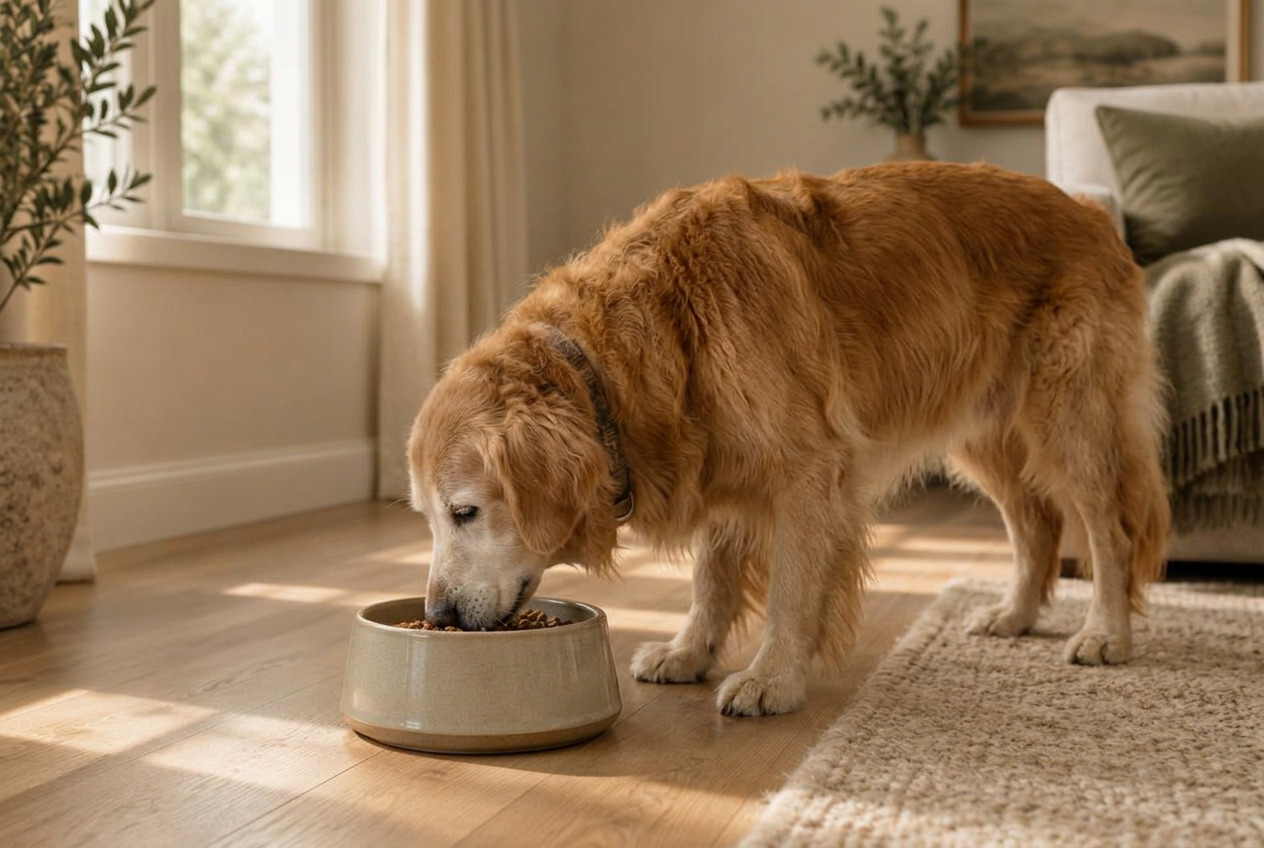
Nutrition for Senior Dogs: What Changes and Why
Adjusting meals as your dog's metabolism and needs evolve.
This content provides general educational information and is not a substitute for professional veterinary advice.
As dogs age, their bodies change — metabolism may slow, activity often decreases, and some dogs develop health conditions that influence what they should eat.
There's no single age when a dog becomes "senior"; large breeds tend to age sooner than small ones. Your veterinarian is the best guide for your individual dog.
What changes as dogs age
Common changes include lower energy needs, a tendency to gain weight, reduced muscle mass, dental problems that make chewing harder, and a decreased sense of smell that can affect appetite.
Calories and body condition
Keeping a healthy weight is one of the most helpful things you can do for an older dog, particularly for joint comfort. You should be able to feel the ribs easily without pressing hard, and see a waist from above.
- Weigh your dog regularly — monthly is a good habit.
- Measure meals rather than estimating.
- Count treats as part of daily food.
- Ask your vet before making significant changes to diet.
Protein and muscle
Many healthy senior dogs benefit from good-quality protein to help maintain muscle. However, dogs with certain conditions may need specific diets. This is an area where veterinary guidance is especially important.
Choosing a senior food
"Senior" foods vary considerably between brands; there's no single legal standard for what makes a food senior. Look for a complete and balanced food appropriate for adult maintenance, and talk to your vet about whether a senior or prescription formula makes sense.
Helping a picky or slower eater
Warming wet food slightly can make it more appealing. Softer textures help dogs with dental discomfort. Raised bowls may be more comfortable for some dogs. A sudden loss of appetite, however, should always be checked by a vet.
Supplements
Joint and omega-3 supplements are popular, but quality and evidence vary. Discuss supplements with your veterinarian before starting, as some can interact with medications or aren't needed alongside certain diets.
Common mistakes
- Switching foods abruptly
- Adding supplements without veterinary advice
- Assuming weight gain is just part of aging
- Ignoring changes in appetite or thirst
Frequently asked questions
When should I switch to a senior food?
There's no single age. Ask your veterinarian, who can consider your dog's breed, size, weight, and health.
Is weight loss in older dogs normal?
Unexplained weight loss is not something to assume is normal. Contact your veterinarian.
Should senior dogs eat less protein?
Not necessarily. Many healthy older dogs benefit from adequate protein, but some medical conditions require adjustments. Your vet can advise.
The bottom line
Keep your senior dog lean, watch for changes in appetite and weight, and make dietary decisions together with your veterinarian.
Continue exploring
Whiskers, Paws & Claws Editorial Team
Editorial Team
Related reading
Dogs
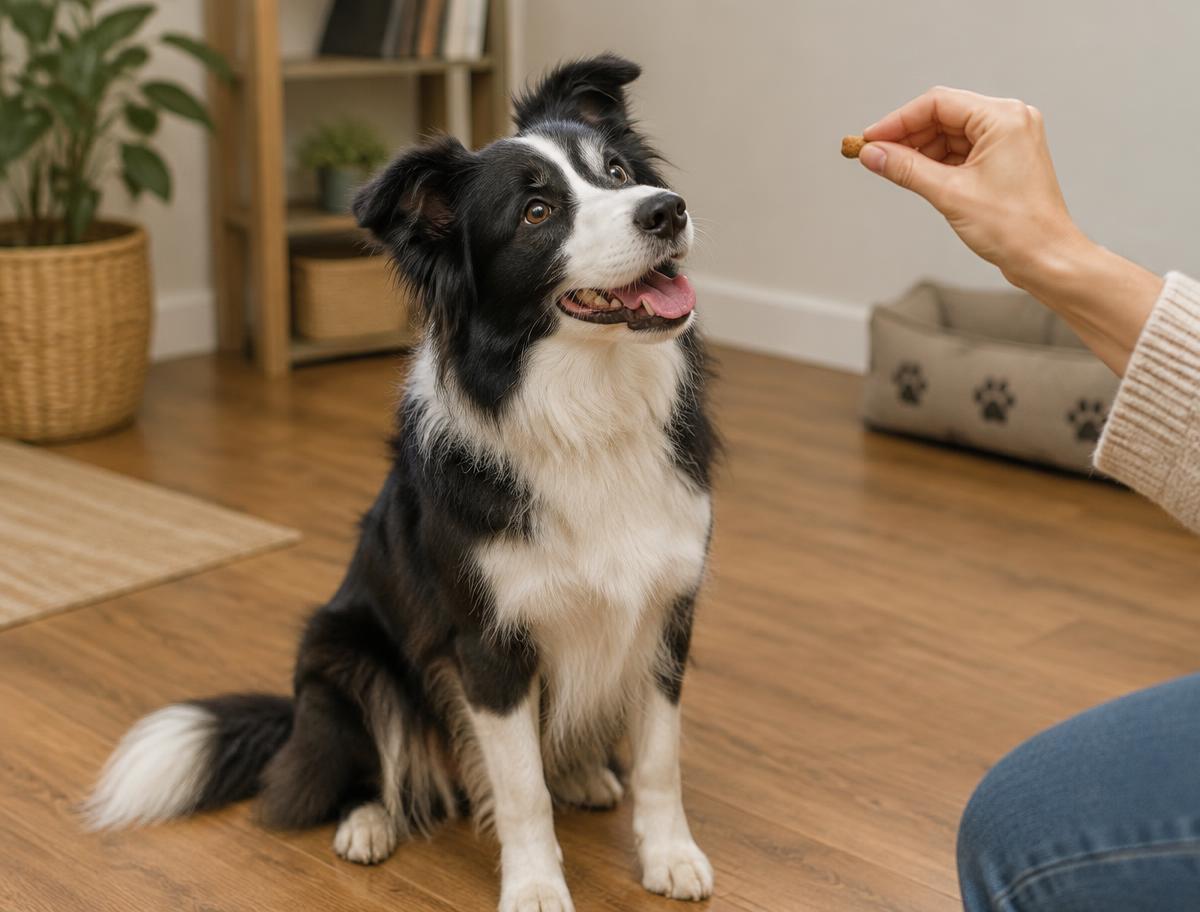
The Gentle Guide to Positive Reinforcement Training
How to teach lasting good manners with patience, timing, and the right rewards.
Whiskers, Paws & Claws Editorial Team
Cats
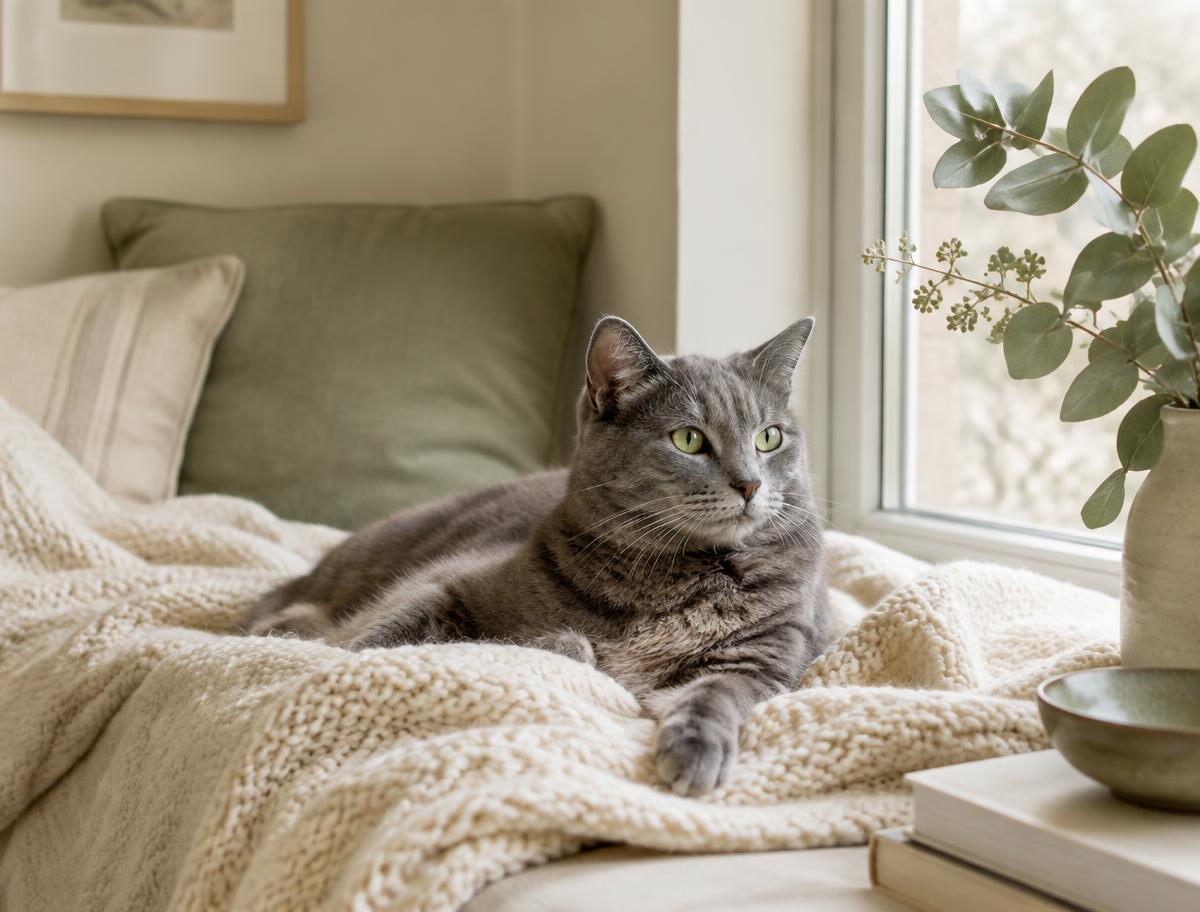
Reading Your Cat's Body Language, Tail to Whiskers
A calm, practical guide to what your cat is really telling you.
Whiskers, Paws & Claws Editorial Team
Lifestyle
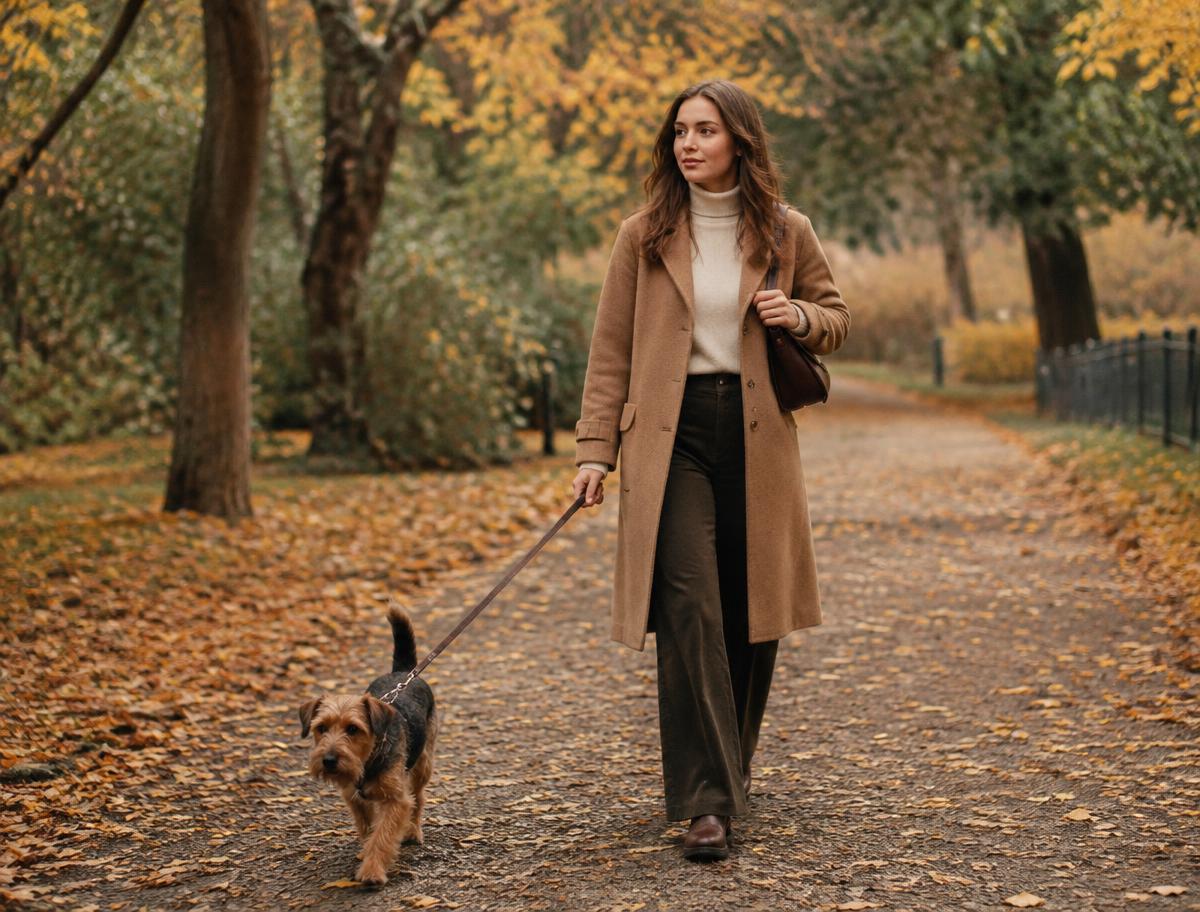
Autumn Walks: A Seasonal Ritual for You and Your Dog
Routes, gear, and safety notes for the most beautiful walking season.
Whiskers, Paws & Claws Editorial Team