Training
The Gentle Guide to Positive Reinforcement Training
How to teach lasting good manners with patience, timing, and the right rewards.
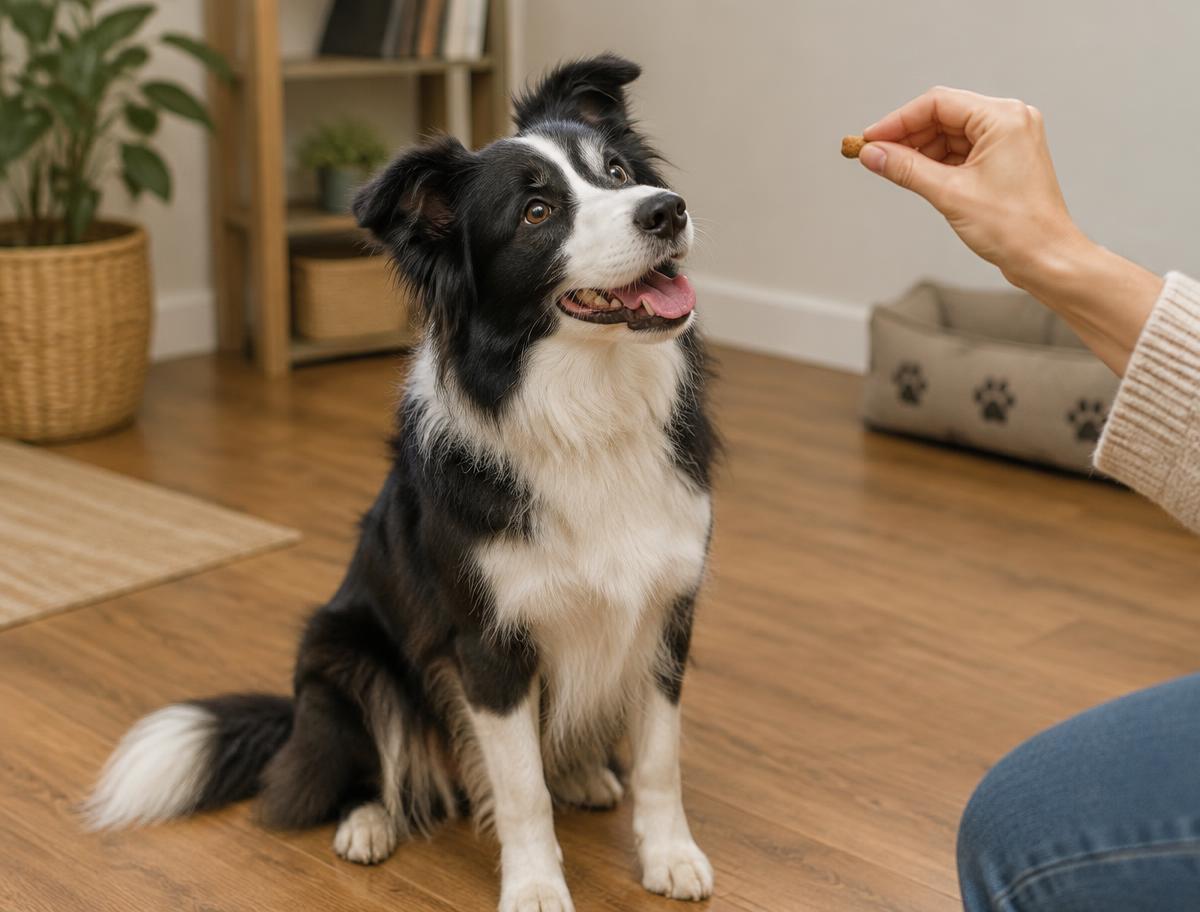
Positive reinforcement training is built on a simple idea: behavior that gets rewarded tends to happen again. Rather than correcting what you don't want, you make the behavior you do want the most rewarding choice available to your dog.
It works for puppies and senior dogs alike, and it tends to build something more valuable than obedience — a dog who is eager to try, offer, and learn alongside you.
How positive reinforcement works
Dogs repeat what pays off. When a reward follows a behavior closely, your dog connects the two. Over time, the behavior becomes a habit, and the reward can be offered less often.
Timing is everything
A reward should arrive within one to two seconds of the behavior. Late rewards teach whatever your dog happened to be doing at the time — often standing up from the sit you wanted.
Using a marker
A marker word such as "yes" (or a clicker) bridges the gap between the behavior and the treat. Say it the instant your dog gets it right, then deliver the reward.
Choosing rewards your dog actually values
A reward is whatever your dog finds worth working for in that moment. In a quiet kitchen, kibble may be enough. In a busy park, you may need something far more interesting.
- Low value: dry kibble, praise — for easy, familiar cues at home
- Medium value: soft commercial training treats
- High value: small pieces of plain cooked chicken or cheese — for new skills and distractions
- Life rewards: a ball throw, sniffing time, going through the door
Teaching your first cue: sit
Sit is a good starting point because most dogs offer it naturally and it gives you a foundation for calm behavior.
- Hold a treat at your dog's nose and slowly move it up and back over the head.
- As the hindquarters lower, mark with "yes" and give the treat.
- Repeat five to eight times, then try the same hand motion without a treat in your hand.
- Once your dog is sitting reliably to the hand signal, say "sit" just before the signal.
- Gradually fade the hand signal so the word alone cues the behavior.
Keeping sessions short and successful
Three to five minutes is plenty, especially for puppies. Aim to end while your dog is still keen. If your dog struggles twice in a row, make the step easier rather than repeating the hard version.
Adding distance, duration, and distraction
Once a cue is reliable in one place, increase only one challenge at a time. Ask for a longer sit indoors before asking for a sit at the park. Changing too many things at once is the most common reason a well-learned cue seems to "disappear."
Common mistakes
- Repeating the cue several times — your dog learns that "sit sit sit" is the real cue
- Rewarding too late
- Training only when your dog is overexcited or tired
- Expecting a cue learned at home to work immediately outdoors
Frequently asked questions
Will my dog only behave when I have treats?
Not if you fade food rewards gradually. Once a behavior is reliable, reward intermittently and swap in praise, play, and everyday privileges.
Is it ever too late to start?
No. Adult and senior dogs learn well with reward-based methods; they may simply need shorter, calmer sessions.
What if my dog isn't food motivated?
Try higher-value food in a quieter setting, or use toys and play as the reward. Some dogs are less interested in food when stressed.
The bottom line
Clear timing, rewards your dog values, and short, successful sessions are the backbone of positive reinforcement. Consistency matters more than perfection.
Continue exploring
Watch the Video
Whiskers, Paws & Claws Editorial Team
Editorial Team
Related reading
Dogs
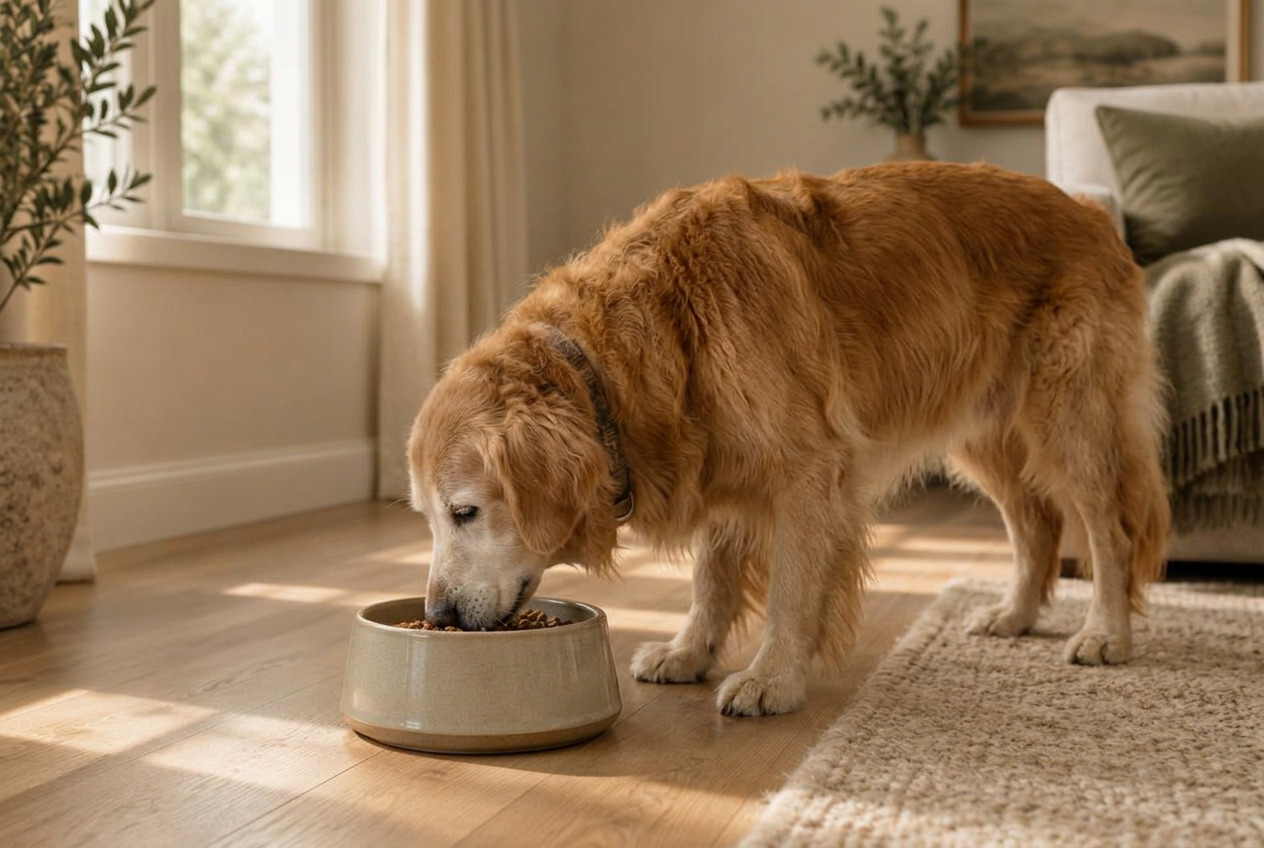
Nutrition for Senior Dogs: What Changes and Why
Adjusting meals as your dog's metabolism and needs evolve.
Whiskers, Paws & Claws Editorial Team
Cats
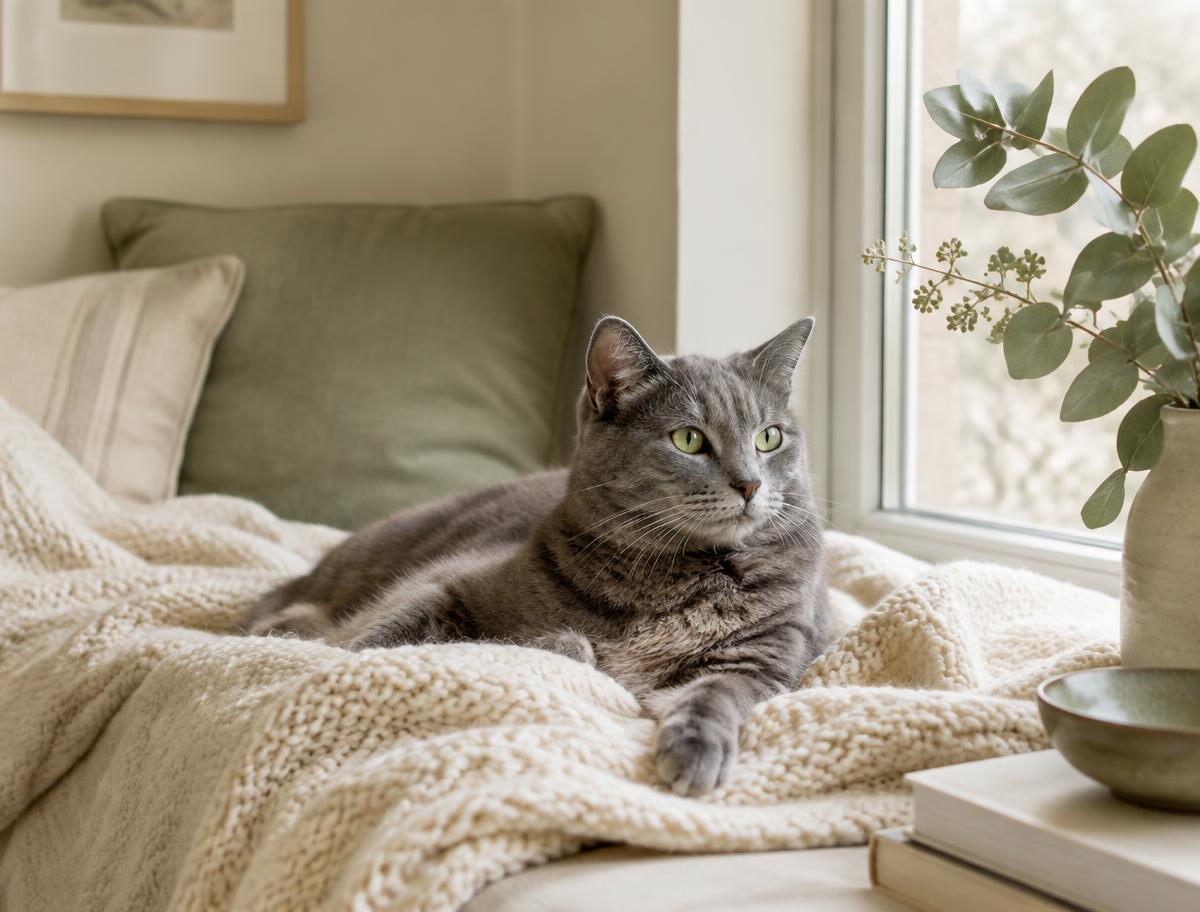
Reading Your Cat's Body Language, Tail to Whiskers
A calm, practical guide to what your cat is really telling you.
Whiskers, Paws & Claws Editorial Team
Lifestyle
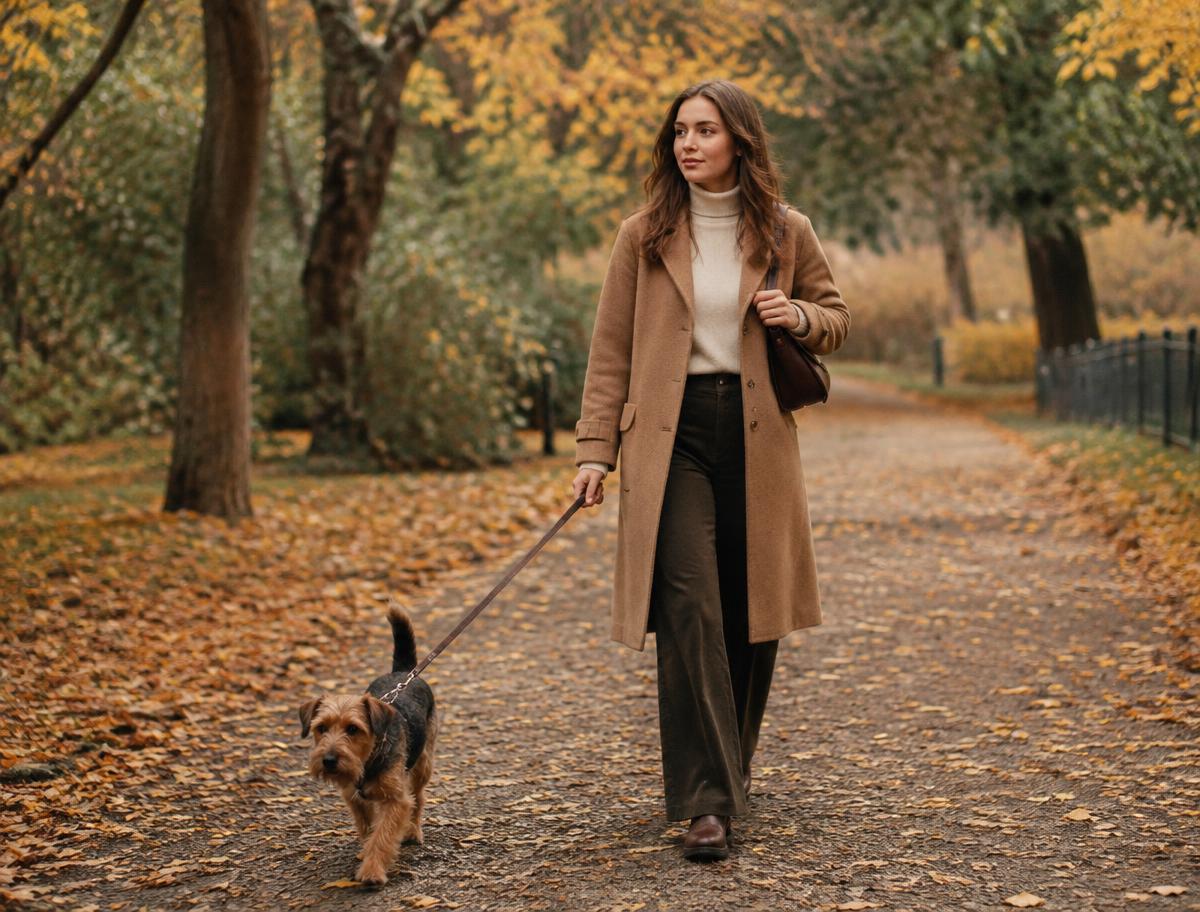
Autumn Walks: A Seasonal Ritual for You and Your Dog
Routes, gear, and safety notes for the most beautiful walking season.
Whiskers, Paws & Claws Editorial Team