Seasonal
Autumn Walks: A Seasonal Ritual for You and Your Dog
Routes, gear, and safety notes for the most beautiful walking season.
This content provides general educational information and is not a substitute for professional veterinary advice.
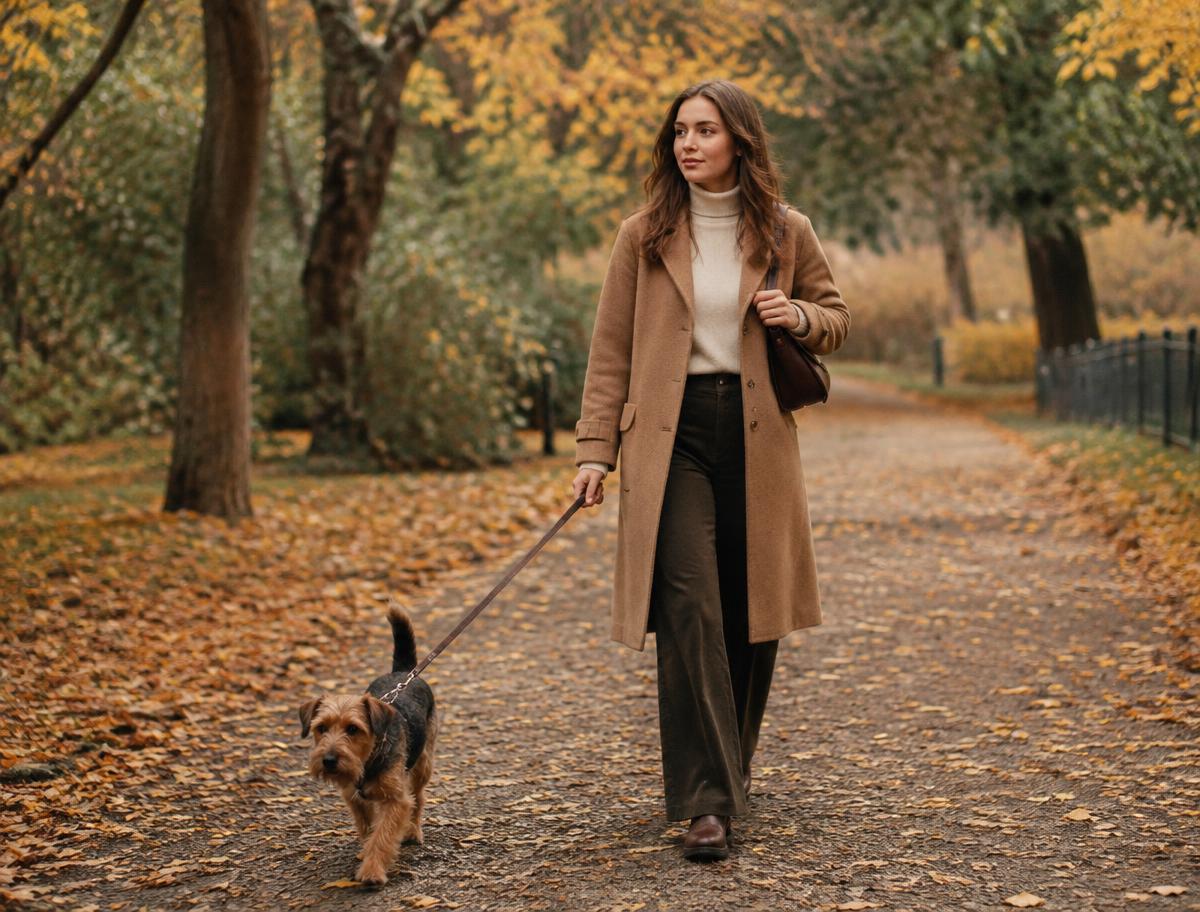
Autumn may be the best walking season of the year. The heat of summer fades, the light turns golden, and many dogs find a new spring in their step once temperatures drop.
It also brings a few seasonal considerations — shorter days, damp ground, fallen debris, and lingering parasites. A little preparation keeps the season enjoyable for both of you.
The benefits of cooler weather
Cooler air means less risk of overheating, making autumn ideal for longer walks, new trails, and building fitness gradually. Brachycephalic breeds such as Pugs and French Bulldogs, who often struggle in summer, may especially enjoy the change.
Seasonal hazards to watch for
Fallen leaves and damp woodland bring a few things worth keeping an eye on.
- Wild mushrooms — some are toxic; discourage sniffing and eating, and call your vet if you suspect ingestion
- Acorns and conkers (horse chestnuts), which can upset the stomach or cause blockages
- Antifreeze on driveways and roads, which is sweet-tasting and highly toxic
- Piles of leaves hiding sticks, glass, or uneven ground
- Rodenticides, which are used more often as weather cools
Staying visible as the days shorten
Many morning and evening walks now happen in low light. Being visible to drivers and cyclists matters for both of you.
- A reflective or LED collar or harness for your dog
- A reflective jacket or armband for you
- A small headlamp or flashlight on unlit routes
- A shorter leash near roads in the dark
Paw care
Wet ground, grit, and muddy trails can be hard on paws.
- Check pads and between the toes after each walk for small stones, burrs, or cuts.
- Rinse muddy paws with lukewarm water and dry thoroughly between the toes.
- Keep the fur between pads trimmed so debris doesn't collect.
- Use a pet-safe paw balm if pads look dry or cracked.
Clothing considerations
Most healthy, double-coated dogs don't need a coat in autumn. Short-coated, very small, lean, or senior dogs may appreciate a light waterproof layer on cold, wet days. Choose something that fits well and doesn't restrict shoulder movement.
Choosing walking routes
Autumn is a lovely time to vary your routine. Woodland trails offer rich sniffing opportunities, which are mentally enriching. In areas with seasonal hunting, stick to well-used paths, keep dogs close, and consider bright colors for both of you.
Hydration
It's easy to forget water when the weather is cool, but active dogs still need it. Carry a collapsible bowl on longer walks, and discourage drinking from puddles, which may contain chemical runoff or bacteria.
Ticks and parasites
Ticks remain active in many regions well into autumn, especially in long grass and leaf litter. Check your dog's ears, armpits, between the toes, and around the collar after walks. Ask your veterinarian which parasite prevention is appropriate for your dog and your area.
Senior dog considerations
Cold, damp mornings can make stiff joints feel stiffer. Older dogs often do better with shorter, more frequent walks at a gentle pace, a warm-up stroll before longer outings, and a cozy, dry spot to rest afterward. If your senior dog seems reluctant to walk or is noticeably stiff, mention it to your vet.
Frequently asked questions
Does my dog need a coat in autumn?
Usually not, unless your dog is small, short-coated, very lean, elderly, or seems to feel the cold. Watch for shivering or reluctance to keep walking.
Are fallen leaves dangerous for dogs?
Leaves themselves are generally not a concern, but leaf piles can hide mold, mushrooms, sharp objects, and ticks.
How long should autumn walks be?
That depends on your dog's age, breed, and fitness. Cooler weather is a good time to build up gradually rather than suddenly doubling distance.
The bottom line
Autumn walks are a seasonal gift. Stay visible, check paws and coats afterward, keep an eye out for mushrooms and acorns, and adjust the pace for older dogs.
Continue exploring
Watch the Video
Beds
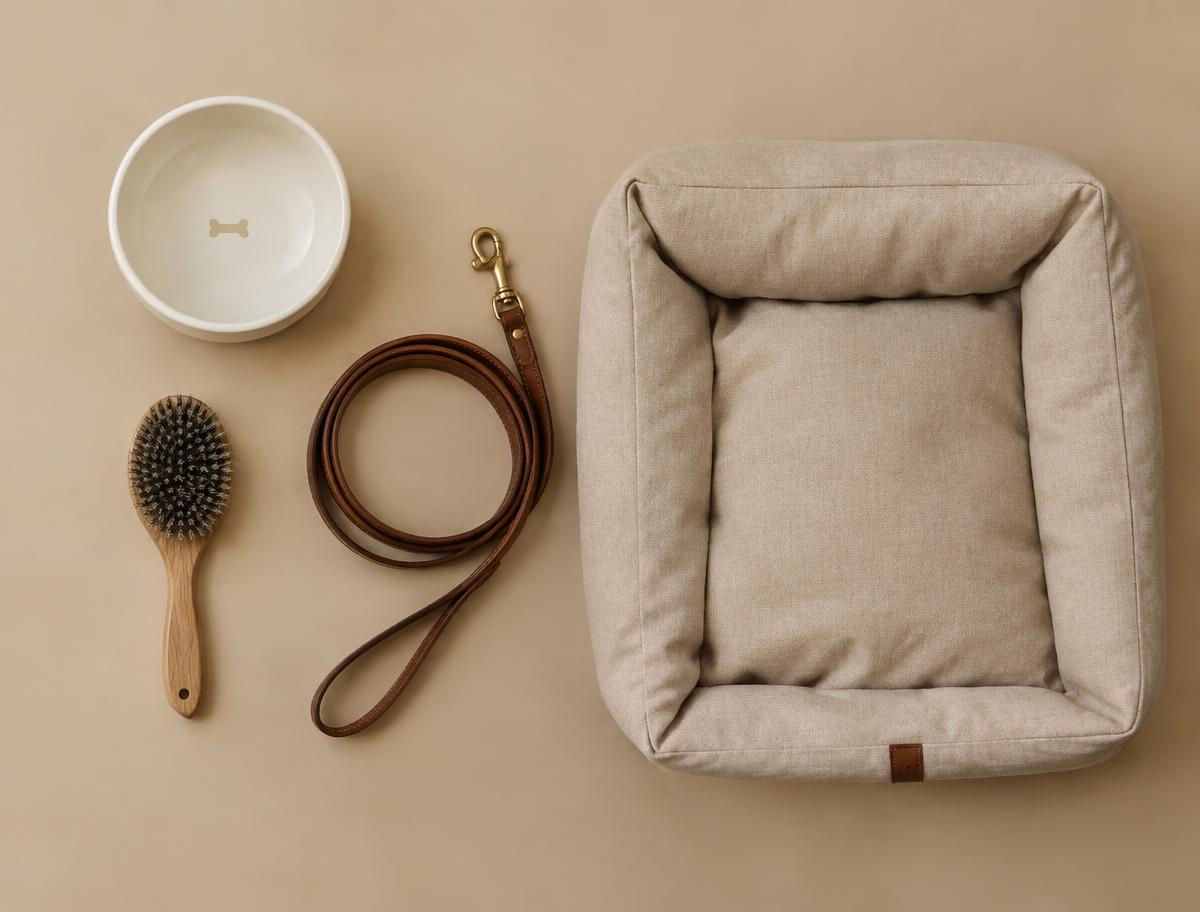
Linen Bolster Dog Bed
Supportive foam with a washable linen cover that suits calm interiors.
- Best for:
- Medium dogs who like to lean
- Consider:
- Cover dries slowly
Feeding
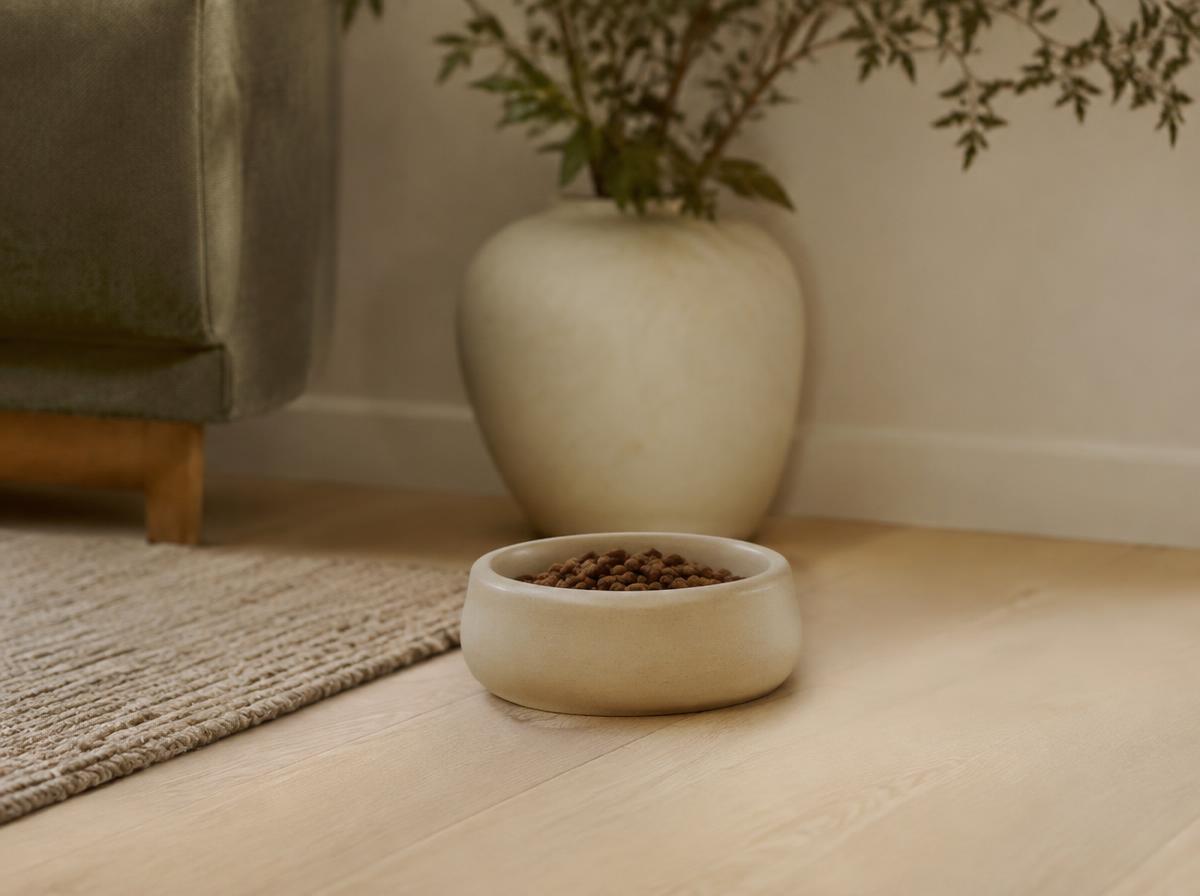
Stoneware Pet Bowl
Heavy, non-slip, dishwasher safe and beautifully simple.
- Best for:
- Cats and small dogs
- Consider:
- Breakable if dropped
Whiskers, Paws & Claws Editorial Team
Editorial Team
Related reading
Lifestyle
Designing a Living Room That Works for Pets and People
Durable fabrics, smart layouts, and calm corners for everyone.
Whiskers, Paws & Claws Editorial Team
Dogs
The Gentle Guide to Positive Reinforcement Training
How to teach lasting good manners with patience, timing, and the right rewards.
Whiskers, Paws & Claws Editorial Team
Cats
Reading Your Cat's Body Language, Tail to Whiskers
A calm, practical guide to what your cat is really telling you.
Whiskers, Paws & Claws Editorial Team