General Care
How to Choose a Name Your Pet Will Grow Into
Sound, length, and meaning — a few gentle rules for naming.
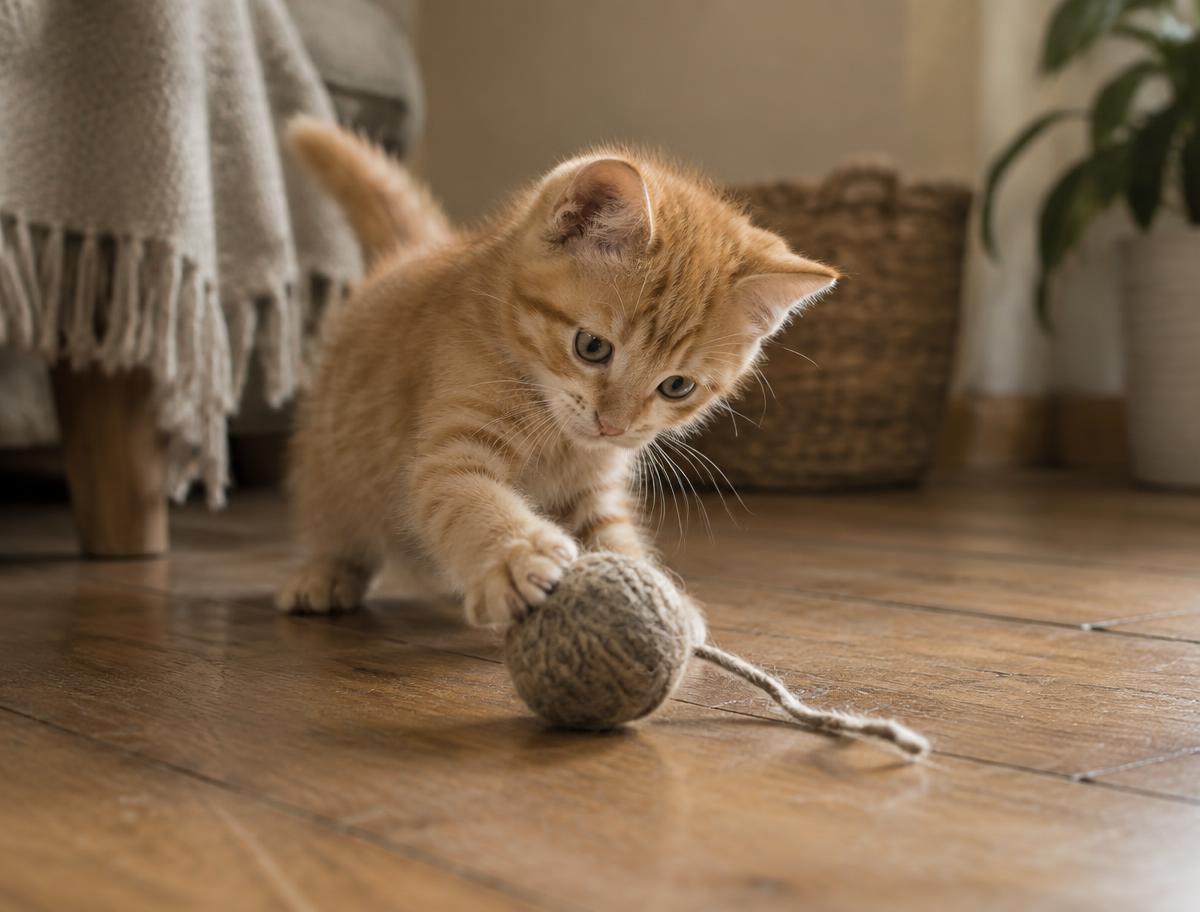
A name is something you'll say thousands of times, and your pet will learn to respond to it. A little thought at the start helps you pick one that's easy to say, easy for your pet to recognize, and still feels right years from now.
Keep it short and clear
One- or two-syllable names are easiest for pets to pick out. Names ending in a vowel sound, like "Milo" or "Luna," carry well when you call them across a park.
Avoid names that sound like cues
Names that rhyme with common words can be confusing for dogs in training. "Kit" may sound like "sit," and "Bo" like "no."
Think long term
A name that suits a tiny puppy or kitten should still fit a full-grown adult. Try it out loud: would you be comfortable calling it at the vet's office?
Find inspiration
Many people look for names in a few familiar places.
- Personality or appearance
- Favorite foods, places, or seasons
- Books, films, and music
- Nature and botanicals
- Family names or heritage
Test before you decide
Spend a day or two calling your pet the name you're considering. Notice whether it feels natural and whether your pet starts to respond.
Frequently asked questions
Can I rename an adopted pet?
Yes. Pair the new name with treats and attention, and most pets learn it within a few weeks.
Should I use a nickname?
Nicknames are fine, but use the main name consistently during training.
The bottom line
Short, clear, and distinct from training cues — and something you'll love saying for years. Our Pet Name Generator can help you find a shortlist.
Continue exploring
Whiskers, Paws & Claws Editorial Team
Editorial Team
Related reading

Pet Care
A Calm At-Home Grooming Routine for Dogs
Brushing, bathing, and nail care without the stress.
Whiskers, Paws & Claws Editorial Team

Dogs
The Gentle Guide to Positive Reinforcement Training
How to teach lasting good manners with patience, timing, and the right rewards.
Whiskers, Paws & Claws Editorial Team

Cats
Reading Your Cat's Body Language, Tail to Whiskers
A calm, practical guide to what your cat is really telling you.
Whiskers, Paws & Claws Editorial Team