
Comparisons
Elevated vs. Plush Dog Beds: Which Is Right for Your Pet?
Elevated or plush? Compare dog-bed comfort, support, cleaning, temperature, and accessibility to find the right resting spot for your companion.
Some product recommendations may include affiliate links in the future, which may earn Whiskers, Paws & Claws a commission at no additional cost to you.
Finding the right place for your dog to rest is about more than choosing the softest bed on the shelf. Here's how to compare two popular styles and decide which one suits your companion's needs.
Every dog deserves a comfortable place to unwind. Whether your companion spends the afternoon watching the world from the living room or curls up beside you after a long walk, a good bed can make everyday life a little more comfortable.
But with so many choices available, selecting the right dog bed isn't always straightforward.
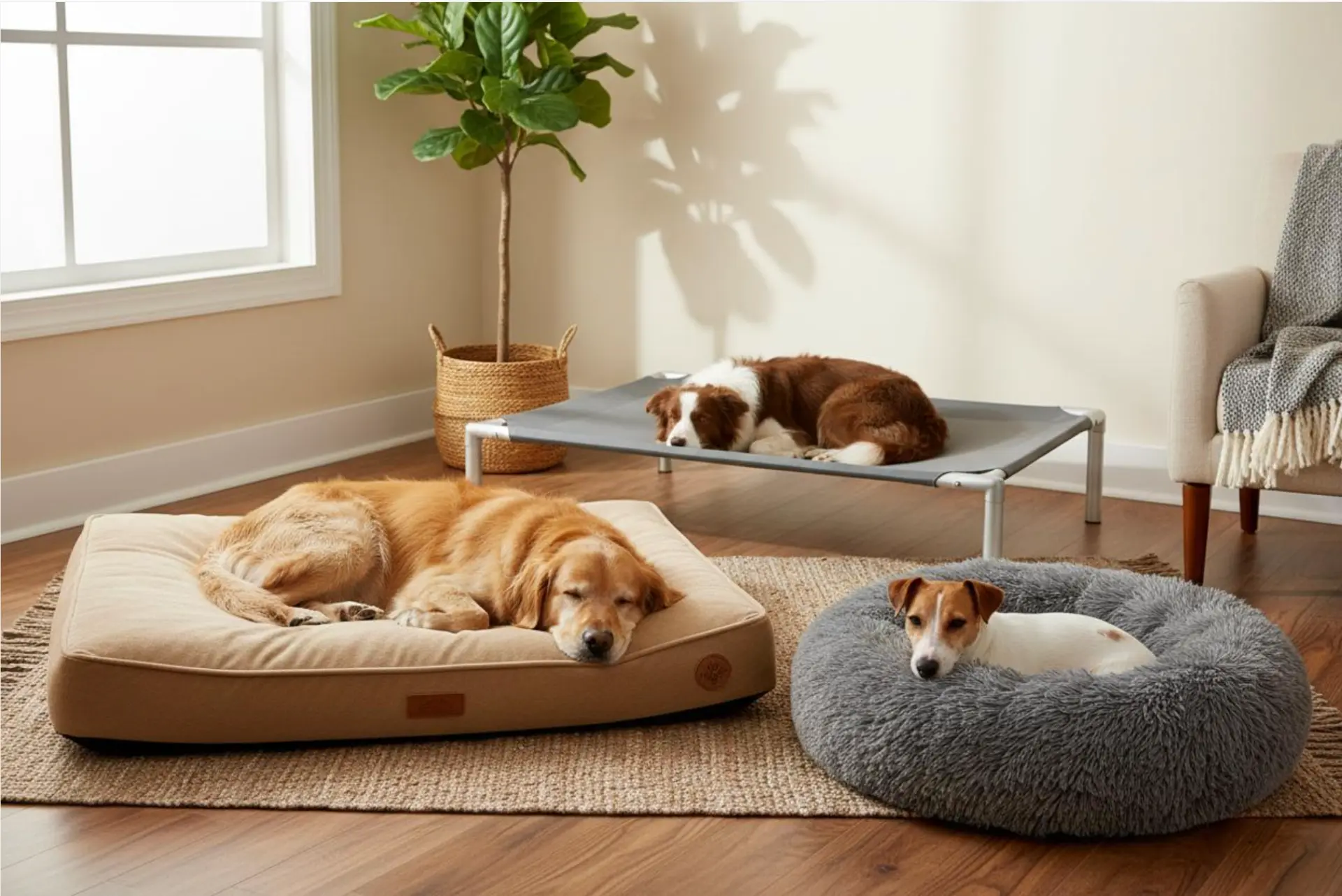
Two popular options are elevated dog beds and plush dog beds. Both offer advantages, but they provide very different sleeping experiences.
Elevated beds lift dogs above the floor using a supportive frame and suspended fabric. Plush beds provide cushioning through soft fillings, foam, or padded bolsters.
Neither style is automatically better. The right choice depends on your dog's sleeping habits, size, mobility, coat, environment, and preferences.
Let's look at what makes each style different and how to choose thoughtfully.
What Is an Elevated Dog Bed?
An elevated dog bed, sometimes called a cot-style bed, consists of a frame supporting a raised fabric sleeping surface.
Most use metal or durable plastic frames with mesh, canvas, or another sturdy material stretched across the top.
Because the sleeping surface sits above the floor, air can circulate underneath it. This makes elevated beds particularly appealing in warmer environments.
Advantages of elevated dog beds
Better airflow
The raised design allows air to move beneath the bed, which may help dogs stay more comfortable in warm rooms or during warmer seasons.
Easy cleaning
Many elevated beds can be wiped down, and some have removable or washable fabric panels. This is especially convenient for dogs that bring mud, grass, or outdoor debris inside.
Useful for patios and covered outdoor spaces
An elevated design keeps the sleeping surface away from direct contact with the ground. Always check that the materials are suitable for outdoor use.
A firm, consistent surface
Some dogs prefer the gentle tension of a suspended fabric surface rather than a thick, soft cushion.
Potential disadvantages
Elevated beds are not ideal for every dog.
Some dogs dislike the unfamiliar feel of a suspended surface. Others prefer to nestle into soft bedding.
The raised design can also create an accessibility concern for dogs with mobility difficulties, particularly if the bed is high or unstable.
A lightweight cot may shift on smooth flooring, so nonslip feet and a sturdy frame are worth considering.
What Is a Plush Dog Bed?
Plush dog beds come in many styles, including padded mattresses, donut-shaped beds, bolster beds, and orthopedic foam designs.
Their defining characteristic is cushioning.
Some are filled with polyester fiber, while others use layered foam or firmer supportive materials.
Advantages of plush dog beds
Softness and comfort
Dogs that enjoy curling up, stretching out on cushions, or resting against raised edges may prefer a plush bed.
A cozy sleeping environment
Bolster and donut-style beds create a nestlike space that many dogs enjoy.
Different support options
Plush does not necessarily mean unsupportive. Higher-quality foam designs can provide a more stable sleeping surface than loosely stuffed beds.
Variety of shapes and sizes
Plush beds are available in everything from compact round cushions to large rectangular mattresses suitable for bigger dogs.
Potential disadvantages
Thick cushioning can trap warmth, which may be uncomfortable for some dogs.
Certain fillings also flatten or clump with repeated use. When that happens, the bed may lose its original shape and support.
Cleaning can be another consideration. Beds without removable covers may be more difficult to maintain, particularly after spills or accidents.
Elevated vs. Plush: A Side-by-Side Comparison
| Feature | Elevated bed | Plush bed |
|---|---|---|
| Sleeping surface | Suspended fabric | Cushioned filling or foam |
| Airflow | Typically better underneath | Depends on materials |
| Warmth | Often cooler | Often cozier |
| Cleaning | Frequently easy to wipe down | Depends on cover and filling |
| Portability | Some fold or disassemble | Some are lightweight; others bulky |
| Access | Requires stepping onto raised surface | Low-profile versions available |
| Best suited for | Dogs preferring firmer surfaces or cooling airflow | Dogs preferring cushioning, warmth, or bolsters |
The most important takeaway is that bed construction matters more than the label. Two plush beds can offer completely different levels of support, just as two elevated beds can differ substantially in stability and fabric tension.
Which Bed Is Better for a Senior Dog?
Older dogs deserve special consideration when choosing a sleeping surface.
As dogs age, they may experience changes in mobility, flexibility, and comfort. A bed that worked beautifully during their younger years may no longer be the easiest option.
For many senior dogs, a low-profile bed with supportive, comfortable cushioning is worth considering.
Look for:
- A sleeping surface that is easy to step onto.
- Firm enough support that the dog does not sink deeply into the filling.
- A nonslip bottom that stays in place.
- A removable, washable cover.
- Enough room to change sleeping positions comfortably.
An elevated bed can still work for some older dogs, particularly when the surface is low and stable. However, it may be less suitable for a dog that struggles with stepping up, balancing, or negotiating uneven surfaces.
If your dog has arthritis, weakness, pain, or difficulty rising, discuss appropriate bedding and accessibility with your veterinarian.
What About Puppies?
Puppies can be surprisingly opinionated about their sleeping arrangements.
Some enjoy a cushioned bed with raised sides. Others prefer a flatter surface that allows them to stretch out.
For young dogs, durability and supervision are especially important.
Choose a bed that is appropriately sized, easy to clean, and free from loose decorative parts that could become chewing hazards.
If your puppy chews bedding, monitor its use and remove damaged products. Swallowed filling or fabric can be dangerous.
An elevated bed may be a practical choice for certain puppies, but the frame, fabric, and height should be appropriate for their size and developmental stage.
Which Type Works Best for Large Dogs?
Large dogs need more than a bed that looks spacious in a product photograph.
They need a surface that accommodates their full body without forcing them into awkward positions.
For elevated beds, check the manufacturer's stated weight capacity and examine how securely the fabric attaches to the frame.
For plush beds, look closely at the thickness and quality of the supportive layers.
A large dog may compress inexpensive filling quickly, leaving little cushioning between its body and the floor.
One helpful shopping test is to press firmly into a cushioned bed and consider whether its support remains substantial under pressure. This is not a substitute for actually evaluating the product, but it can help you identify overly flimsy construction.
Cleaning and Everyday Maintenance
A beautiful pet bed loses some of its appeal when keeping it clean becomes a constant struggle.
Before buying, consider what everyday maintenance will involve.
For elevated beds, ask whether the sleeping fabric can be removed and cleaned separately. Inspect attachment points and frame joints, which may collect dirt.
For plush beds, removable, machine-washable covers are particularly useful. Check whether the inner cushion can also be cleaned and dried thoroughly.
If your dog sheds heavily, choose fabrics that release hair easily.
If your dog frequently returns from wet or muddy adventures, prioritize moisture management and easy cleaning over decorative details.
What to Look for Before Buying
A few thoughtful questions can prevent purchasing a bed that doesn't fit your dog's needs.
1. How does your dog sleep?
Does your dog curl into a ball, lean against furniture, or stretch out completely?
Curled sleepers may enjoy bolsters, while sprawling sleepers may appreciate a generous rectangular surface.
2. Does your dog prefer cool or cozy places?
A dog that regularly seeks tile floors may enjoy a cooler sleeping option.
A dog that gravitates toward blankets and padded furniture might appreciate additional cushioning.
3. Is the bed easy to access?
Consider height, stability, nearby obstacles, and your dog's mobility.
4. Will the materials hold up?
Look at seams, fabric tension, frame construction, filling, and the manufacturer's care instructions.
5. Is the bed appropriately sized?
Measure your dog while resting in a natural sleeping position and compare that measurement with the actual usable sleeping area, not simply the outer dimensions.
Can Your Dog Have Both?
Absolutely.
An elevated bed can be useful near a patio door, in a covered outdoor area, or in a warm part of the home.
A plush bed can provide a cozy sleeping spot in a quieter room.
Offering two different options also allows your dog to show you which surface they prefer.
Of course, two beds aren't necessary for every household. A single well-chosen bed can be perfectly adequate.
Frequently Asked Questions
Are elevated dog beds comfortable?
They can be. Comfort depends on the quality of the suspended material, frame stability, and the dog's personal preference. Some dogs enjoy the firmer feel; others prefer cushioning.
Are plush beds better for dogs with joint problems?
A supportive, accessible cushioned bed may be helpful, but not every plush bed offers adequate support. Dogs with joint pain or mobility issues should have their bedding needs assessed alongside veterinary advice.
Do elevated beds keep dogs cooler?
Their raised construction allows airflow beneath the sleeping surface. The actual cooling effect depends on the fabric, surrounding temperature, and environment.
How often should a dog bed be replaced?
There is no universal replacement schedule. Look for flattening, torn materials, damaged frames, persistent odors, or signs that the bed no longer supports your dog comfortably.
What if my dog refuses to use a new bed?
Place the bed somewhere familiar and allow your dog to investigate it voluntarily. Positive reinforcement may help. Avoid forcing a nervous dog onto an unfamiliar surface.
The Bottom Line
The best dog bed is not necessarily the fluffiest, most expensive, or most stylish option.
It's the one that supports your dog's everyday comfort and fits naturally into your household.
Choose an elevated bed when easy cleaning, airflow, and a firmer raised surface are priorities.
Consider a plush bed when cushioning, warmth, and cozy resting spaces matter most.
And when in doubt, pay attention to your dog. Their favorite sleeping position, preferred surfaces, and willingness to use the bed can tell you a great deal.
A thoughtful purchase begins with understanding the pet who will actually be sleeping there.
Editorial note: This is an educational buying comparison, not a hands-on product test or veterinary recommendation. Evaluate individual product specifications and consult your veterinarian about mobility or medical concerns.
For more on sizing, filling, and washable covers, read How to Choose the Right Dog Bed.
Beds
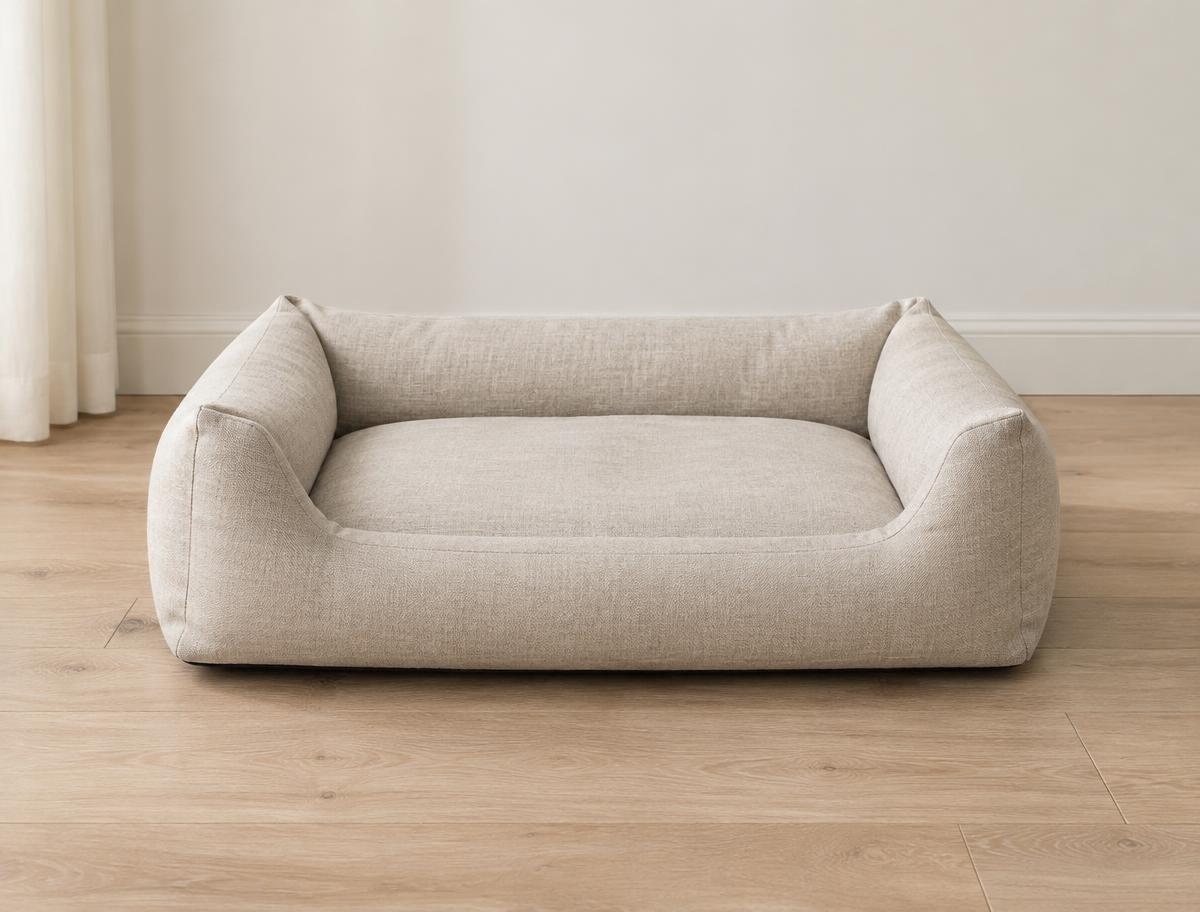
Linen Bolster Dog Bed
Supportive foam with a washable linen cover that suits calm interiors.
- Best for:
- Medium dogs who like to lean
- Consider:
- Cover dries slowly

Feeding
Mealtime Setup for Senior Small Dogs
A simple, comfortable feeding setup that works well for older small dogs with familiar daily routines.
- Best for:
- Senior small dogs
- Consider:
- Bowl height, easy cleaning, and your dog's comfort
Whiskers, Paws & Claws Editorial Team
Editorial Team
Related reading
Reviews
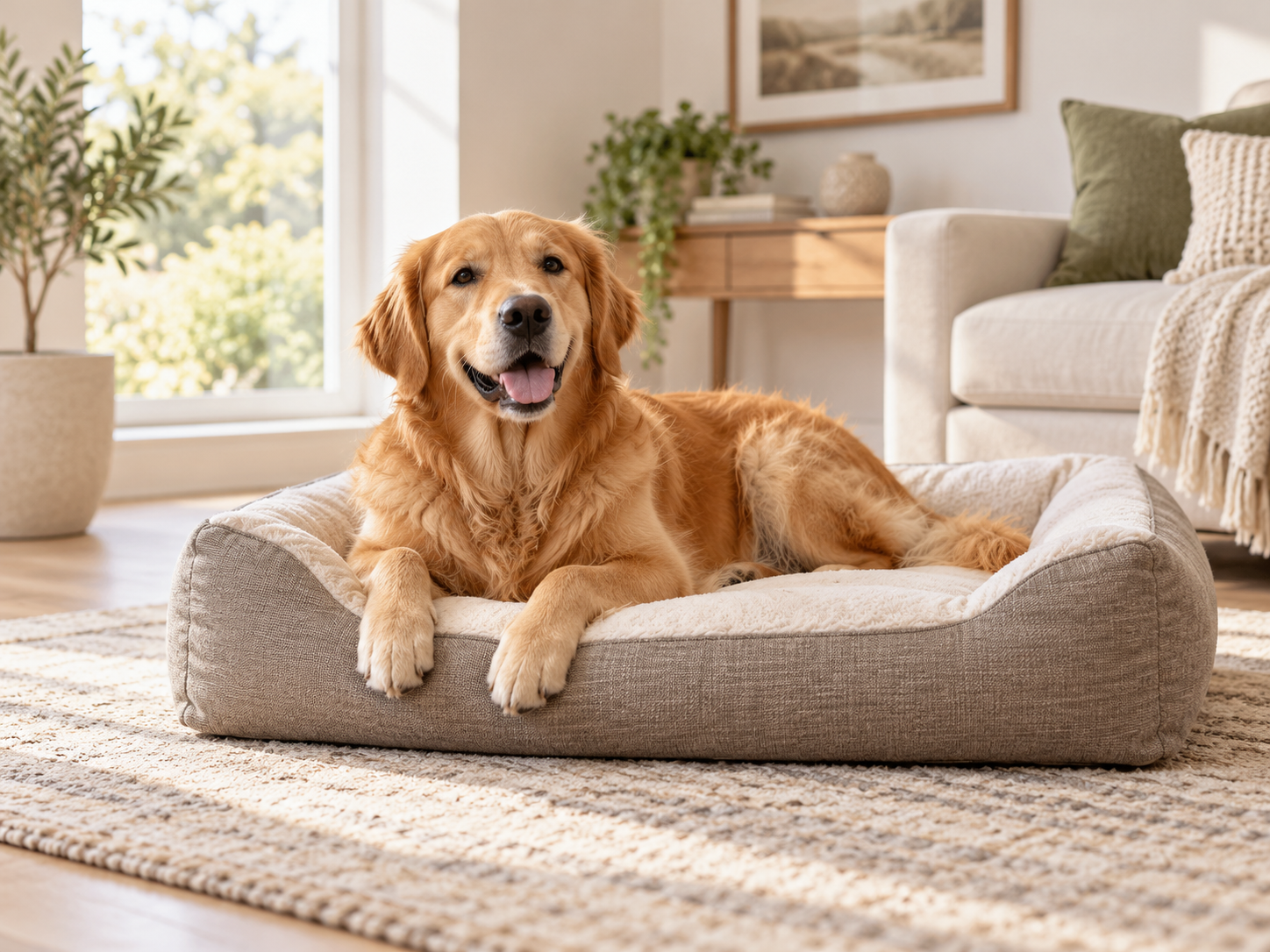
How to Choose the Right Dog Bed
Support, size, materials, and washability — finding a bed that suits your dog.
Whiskers, Paws & Claws Editorial Team
Reviews
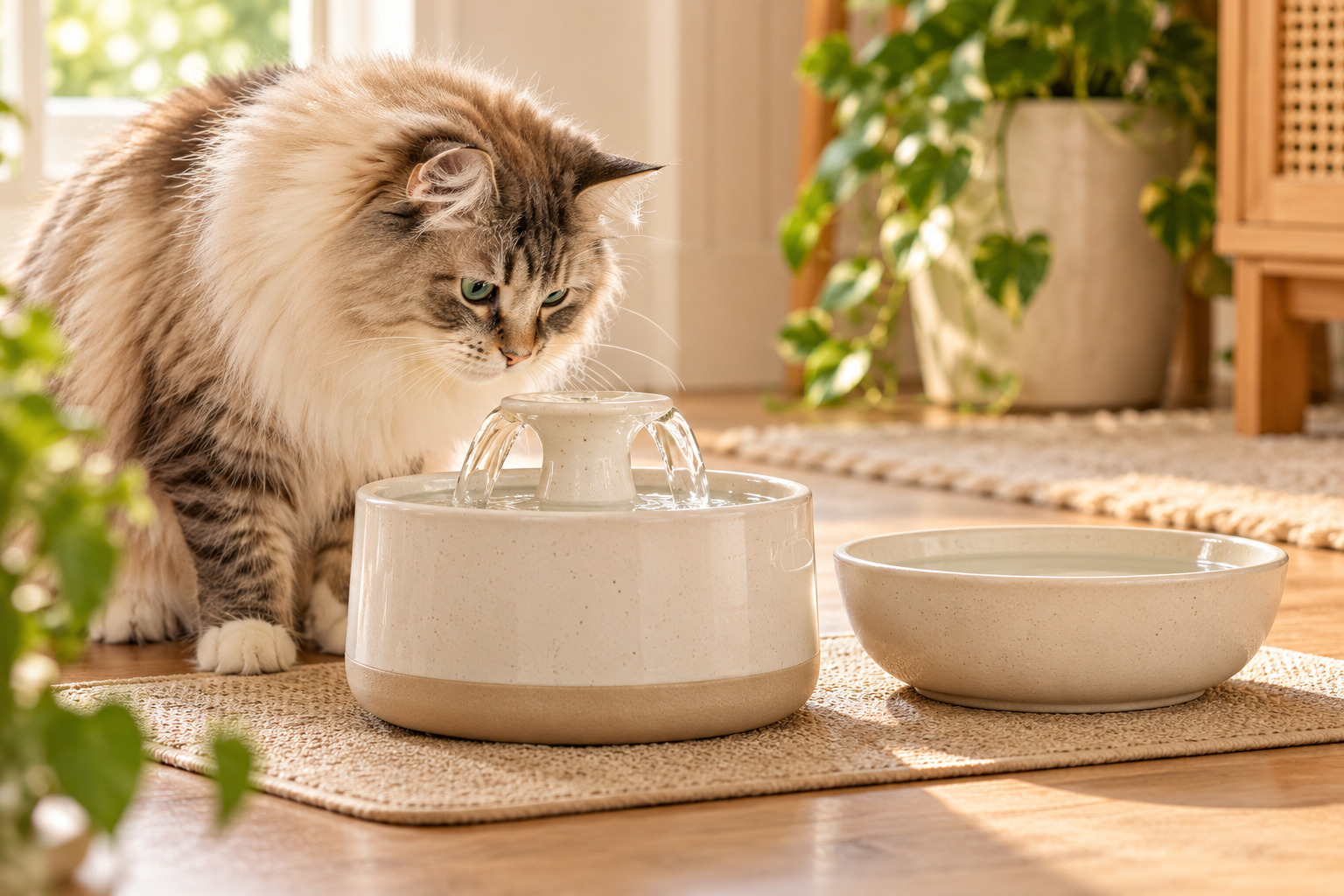
Cat Water Fountains vs. Traditional Bowls: Which Is Better for Your Cat?
Is running water really better for cats? Compare fountains and traditional bowls, including cleaning, costs, and everyday hydration.
Whiskers, Paws & Claws Editorial Team
Reviews
Choosing the Right Grooming Brush for Your Dog or Cat
From slicker brushes to grooming combs, discover which tools suit different dog and cat coat types and how to choose them thoughtfully.
Whiskers, Paws & Claws Editorial Team