
Comparisons
Cat Water Fountains vs. Traditional Bowls: Which Is Better for Your Cat?
Is running water really better for cats? Compare fountains and traditional bowls, including cleaning, costs, and everyday hydration.
Some product recommendations may include affiliate links in the future, which may earn Whiskers, Paws & Claws a commission at no additional cost to you.
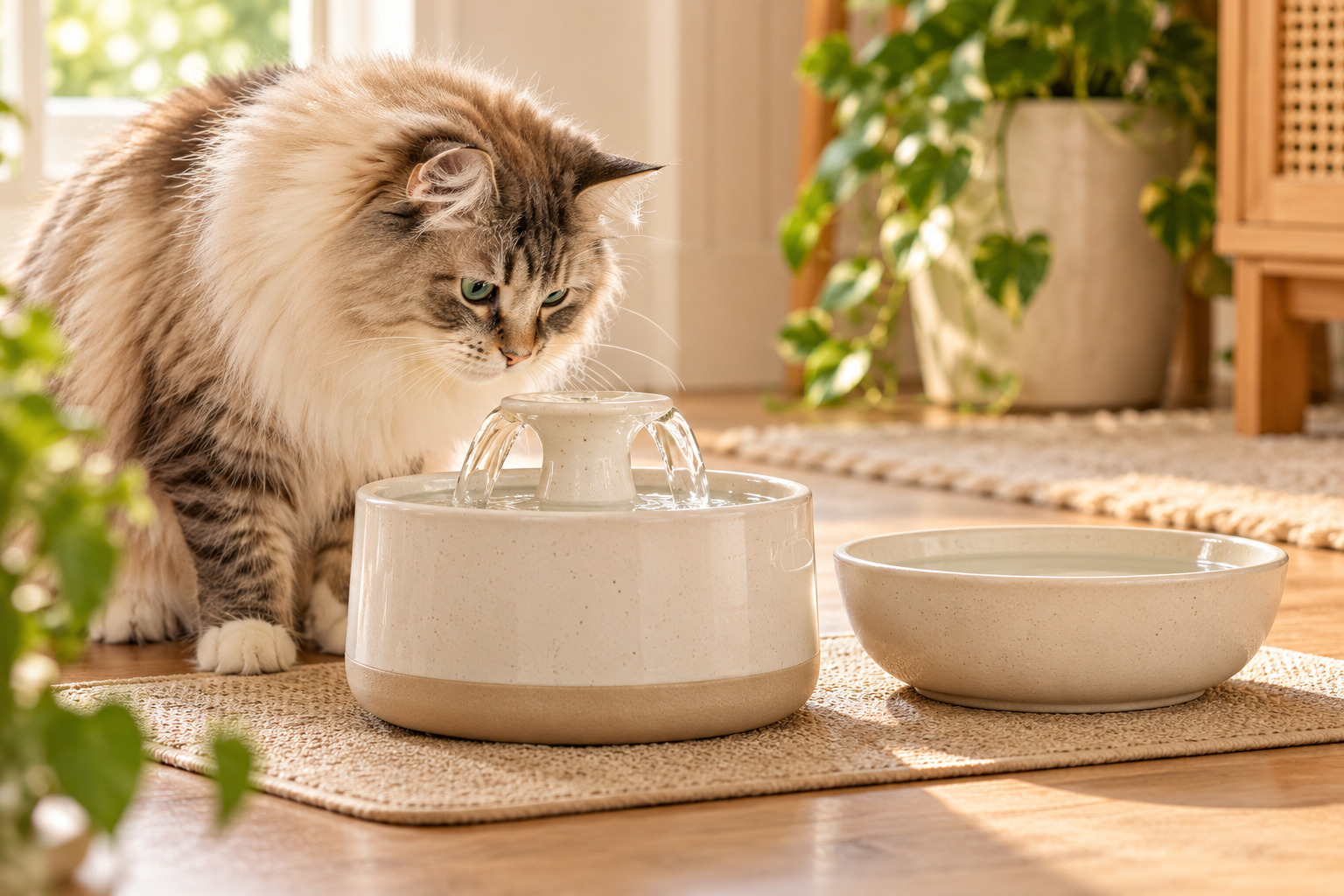
Running water, fresh bowls, and feline preferences. Here's what to consider before deciding whether a cat water fountain is worth bringing home.
Have you ever watched your cat ignore a perfectly good bowl of fresh water, only to become fascinated by the bathroom faucet?
Cats have a way of making us question even the simplest things.
You might provide a clean ceramic water bowl, refill it every morning, and place it in a quiet corner of the kitchen. Yet your cat seems far more interested in the dripping faucet or the little stream of water flowing from the sink.
It's easy to assume that running water must be better.
But is a cat water fountain really a healthier choice than a traditional water bowl? Does moving water encourage cats to drink more, or is it simply another pet accessory that looks appealing in the store?
The answer depends largely on your cat.
Both fountains and traditional bowls can provide an excellent source of drinking water. The key is understanding their differences and choosing an option that works for your cat's habits and your household.
Let's compare them.
Why Hydration Matters for Cats
Water plays an important role in nearly every part of your cat's health.
It supports digestion, temperature regulation, circulation, and normal kidney function. Adequate hydration also contributes to maintaining normal body processes, including urine production.
Cats obtain water from both drinking and their food. A cat eating moisture-rich wet food may drink less water directly from a bowl than a cat eating primarily dry food.
That doesn't automatically mean one cat is drinking too little.
What matters is the animal's overall hydration and health.
According to Cornell University's Feline Health Center, providing accessible fresh water is one practical way to encourage adequate intake. Some cats may also drink more when offered a fountain, although individual preferences vary.
A fountain is therefore one option worth considering, not a requirement for every cat.
What Is a Cat Water Fountain?
A cat water fountain is a drinking station that uses a small pump to circulate water.
Some fountains create a gentle bubbling effect, while others produce a small stream or waterfall.
Many contain replaceable filters designed to trap particles or reduce certain odors and tastes, depending on the filter design.
Common fountain styles include:
- Bubbling fountains with a central dome
- Free-flowing waterfall fountains
- Stainless-steel fountain basins
- Ceramic fountains with a gentle stream
- Plastic fountains with multiple drinking levels
These products range from simple designs to more elaborate models with sensors, lights, or water-level indicators.
But more features don't necessarily mean a better drinking experience.
For most households, ease of cleaning, dependable operation, and your cat's comfort matter more than decorative extras.
Why Some Cats Prefer Moving Water
Anyone who has seen a cat paw at a dripping faucet knows that moving water can be intriguing.
The motion, sound, and reflected light may attract a curious cat's attention.
Some cats appear to enjoy drinking directly from a flowing stream. Others prefer the pool of water beneath it.
However, not every cat is attracted to a fountain.
A shy cat might dislike the sound of the motor. Another might be suspicious of the moving water or avoid an unfamiliar object placed near its usual drinking area.
Research does not support the claim that fountains consistently increase water consumption in all cats.
A study published in the Journal of Feline Medicine and Surgery compared still, circulating, and free-falling water sources. Researchers found no significant overall difference in water intake between the different systems, although individual cats demonstrated preferences.
The lesson is simple: Your cat's preferences are more useful than a fountain manufacturer's promise.
Traditional Water Bowls: Simple, Practical, and Often Overlooked
Traditional bowls have served pet owners well for generations.
A good bowl is inexpensive, straightforward to clean, and easy to place wherever your cat feels comfortable.
And unlike a fountain, it doesn't need electricity or replacement filters.
Advantages of traditional bowls
Affordable and accessible
Quality ceramic or stainless-steel bowls are available at many price points. You can easily place several throughout your home.
Easy to maintain
Most smooth, nonporous bowls can be washed thoroughly without disassembling complicated components.
Quiet operation
For cats sensitive to noise, a traditional bowl offers a peaceful drinking experience.
No mechanical parts
There are no pumps to replace, cords to position, or motors to troubleshoot.
Flexible placement
Bowls can be placed in bedrooms, quiet hallways, or other accessible areas without needing an electrical outlet.
Potential disadvantages
Still water can collect fur, food particles, or dust.
Bowls also require frequent refreshing and cleaning.
A shallow bowl may be tipped over by an enthusiastic cat, while a narrow or awkwardly shaped bowl may be uncomfortable for some pets.
Fortunately, these issues can often be addressed by choosing an appropriately sized, stable, easy-to-clean bowl.
Cat Water Fountains: What Makes Them Appealing?
Water fountains offer a different experience.
Their circulating water may attract certain cats, particularly those already interested in faucets or other moving water.
Potential benefits
An alternative drinking experience
A fountain gives cats another way to access fresh drinking water.
Possible increased interest
Some cats that ignore a stationary bowl may be more willing to investigate moving water.
Larger water reservoirs
Certain models hold more water than a standard bowl, which can be convenient in multi-cat homes. Reservoir capacity does not eliminate the need for cleaning and refilling.
Filtration options
Many fountains include filters that collect debris or help reduce certain odors.
Different drinking surfaces
Some models allow cats to drink from either the moving stream or the water collected in the basin.
Potential disadvantages
Fountains also introduce responsibilities that ordinary bowls do not.
They require regular disassembly, washing, and maintenance.
Pumps can become noisy or stop working. Filters need replacement according to product instructions.
Some models have narrow channels and hidden compartments that are difficult to clean thoroughly.
And even with a fountain, water must be replenished regularly.
A fountain is not a self-cleaning water source.
Cat Water Fountains vs. Traditional Bowls: Side-by-Side Comparison
| Feature | Water Fountain | Traditional Bowl |
|---|---|---|
| Water movement | Circulating or flowing | Still |
| Electricity | Usually required | Not required |
| Initial cost | Generally higher | Generally lower |
| Replacement parts | May require pumps and filters | Usually none |
| Cleaning | More components | Typically simpler |
| Noise | May produce motor or water sounds | Silent |
| Placement | Depends on power and design | Highly flexible |
| Cat preference | Appeals to some cats | Preferred by others |
| Maintenance | Regular cleaning and replacement parts | Regular washing and refilling |
Neither option automatically provides healthier water.
Cleanliness, accessibility, and your cat's willingness to drink are more important than whether the water happens to move.
Does a Fountain Actually Help Cats Drink More Water?
This is one of the most important questions to ask before making a purchase.
Fountains are frequently marketed as a way to increase hydration.
For some cats, that may happen.
But the scientific evidence is more cautious than many advertisements suggest.
In a small study of healthy cats, investigators examined drinking behavior and urine measurements when cats were offered a bowl or fountain. The findings did not establish a substantial overall hydration benefit from the fountain.
Later research comparing still, circulating, and free-falling systems similarly found no significant overall increase in water consumption.
Individual preferences did exist, which is why some households may find a fountain genuinely helpful.
A fountain can be worth trying, but it should not be treated as a medical solution for dehydration or urinary problems.
If your veterinarian has recommended increasing your cat's water intake for a health condition, discuss all suitable strategies rather than relying on a fountain alone.
What to Look for When Buying a Cat Water Fountain
If you're considering a fountain, look beyond appearance.
1. Materials
Stainless steel and glazed ceramic are popular choices because their smooth surfaces can be easier to clean when properly designed.
Plastic fountains may be lightweight and affordable, but scratched or difficult-to-reach areas can complicate cleaning.
Regardless of material, inspect the actual construction.
2. Ease of cleaning
Can you remove the basin, lid, pump cover, and other components easily?
Are there tiny channels that will collect debris?
A fountain with a beautiful exterior but complicated cleaning requirements may become frustrating over time.
3. Pump reliability
Read the manufacturer's instructions for cleaning and maintaining the pump.
Check whether replacement pumps are available.
A fountain that cannot be repaired affordably may have a shorter useful life.
4. Filter availability
Before purchasing, find out what the filters cost and how frequently they must be replaced.
Avoid selecting an obscure model without readily available replacement parts.
5. Noise level
Some cats are comfortable with a gentle water sound. Others may be frightened by humming, splashing, or vibration.
A quiet design may be preferable, particularly if the fountain will be placed near a sleeping area.
6. Stability and capacity
Choose a stable fountain with sufficient capacity for your household.
Larger reservoirs may reduce how often water needs topping up, but they still require regular inspection and cleaning.
7. Safe power setup
Position the cord where pets cannot chew, pull, or become tangled in it.
Follow the manufacturer's electrical safety and placement instructions, and avoid arrangements where spilled water could reach outlets or unsuitable power connections.
What Does a Cat Water Fountain Really Cost?
The purchase price is only part of the expense.
A fountain may also require:
- Replacement filters
- Replacement pumps
- Cleaning brushes
- Electricity
- Occasional replacement parts
Electricity usage is often modest for small pumps, but actual costs depend on the model's wattage, operating hours, and local electricity rate.
For example, a 3-watt pump running continuously uses approximately 2.16 kilowatt-hours over a 30-day period. That is an illustrative calculation, not a specification for any particular fountain.
Traditional bowls generally have fewer ongoing expenses beyond ordinary cleaning and eventual replacement.
Before buying, compare the fountain's expected yearly filter and parts costs with its initial purchase price.
A low-priced fountain with expensive replacement filters may not be the best long-term value.
How Often Should You Clean a Cat Water Fountain?
One of the biggest misconceptions about fountains is that moving water stays clean automatically.
It doesn't.
Filters do not eliminate the need to wash the basin, tubing, or pump components.
Biofilm, fur, saliva, and other debris can accumulate on surfaces.
Check the water level and condition daily, replenish fresh water as needed, and follow the manufacturer's instructions for frequent cleaning and filter replacement.
For many owners, establishing a routine of fully disassembling and washing the fountain at least weekly is a reasonable starting point, but some designs or households may require more frequent cleaning.
Always follow the specific product instructions, and clean sooner whenever buildup, odors, or visible debris appear.
Traditional bowls should also be washed regularly, ideally daily, and refilled with fresh water.
Where Should You Place Your Cat's Water?
Placement can matter more than the style of water container.
Cats should have easy access to drinking water without navigating stressful spaces or competing with other pets.
Consider placing water stations in quiet, accessible locations.
Some cats prefer their water away from feeding areas or litter boxes.
In multi-cat households, provide multiple stations so one cat cannot easily prevent another from drinking.
Avoid locations with excessive foot traffic, loud appliances, or difficult access.
For older cats, easy-to-reach water sources on the same living level may be especially valuable.
How to Introduce a Fountain to Your Cat
If your cat has always used a regular bowl, don't assume a new fountain will be welcomed immediately.
A gradual introduction often makes the transition easier.
- Place the fountain near a familiar drinking area without immediately removing the existing bowl.
- Allow your cat to investigate the fountain while it is turned off.
- Introduce the moving water calmly, following the product instructions.
- Keep the existing water bowl available during the adjustment period.
- Observe your cat's behavior without forcing interaction.
- Continue providing alternative water sources if your cat remains uncomfortable.
Some cats investigate immediately.
Others may take longer, and some may simply prefer a traditional bowl.
That's perfectly acceptable.
The goal is access to water, not persuading every cat to enjoy a particular gadget.
Other Ways to Encourage Healthy Hydration
If increasing water intake is your priority, a fountain isn't your only option.
Offer multiple water stations
Placing fresh water in several comfortable locations may improve access and encourage drinking.
Refresh water regularly
Some cats show more interest in newly refreshed water.
Experiment with bowl shapes
A wide, shallow bowl may be more comfortable for some cats than a small, deep dish.
Consider moisture-rich food
Wet food contributes water to a cat's overall intake. Discuss appropriate feeding choices with your veterinarian, especially if your cat has a medical condition.
Observe drinking habits
Become familiar with your cat's typical behavior.
Sudden increases or decreases in drinking can sometimes signal an underlying health concern.
If your cat appears unusually thirsty, refuses water, becomes lethargic, or shows signs of illness, seek veterinary advice promptly.
Frequently Asked Questions
Are cat water fountains better than bowls?
Not necessarily. Some cats prefer fountains, but studies have not demonstrated that fountains consistently increase water intake for all cats. A clean, accessible bowl remains a good option.
Are stainless-steel fountains better than plastic ones?
Stainless steel may be easier to maintain when the surface is smooth and the design is accessible. However, ease of cleaning and product construction matter more than material alone.
Do fountain filters make the water safe indefinitely?
No. Filters require replacement, and the fountain still needs regular cleaning and fresh water. Filtration does not sterilize water.
Can a cat fountain run all day?
Many models are designed for continuous operation. Follow the manufacturer's instructions, maintain appropriate water levels, and ensure the electrical setup is safe.
Will a fountain help a cat with urinary problems?
A fountain may encourage some cats to drink, but it is not a treatment for urinary disease. Cats with urinary symptoms need appropriate veterinary evaluation and care.
What if my cat is afraid of the fountain?
Keep a familiar bowl available and introduce the fountain gradually. If your cat continues avoiding it, there is no need to force the change.
Can I use both a fountain and traditional bowls?
Absolutely. Offering both may give your cat more choice and provides an alternative if the fountain is being cleaned or stops working.
The Bottom Line: Which Should You Choose?
A water fountain can be a worthwhile purchase for a cat that enjoys moving water, especially when the fountain is easy to clean and maintain.
But traditional bowls remain practical, affordable, and perfectly suitable for many cats.
Choose a fountain if your cat shows interest in running water and you're comfortable with the added cleaning, filter replacements, and maintenance.
Choose a traditional bowl if your cat already drinks comfortably from one, or if simplicity, affordability, and easy cleaning are your priorities.
And consider offering both if your cat enjoys having options.
The best drinking setup isn't necessarily the most expensive or technologically advanced.
It's the one that helps your cat feel comfortable, keeps fresh water readily available, and fits naturally into your daily routine.
Sometimes a thoughtfully placed bowl is all a cat needs. Other times, a gentle little fountain becomes a favorite spot.
Either way, your cat gets the final vote.
Sources and further reading
- Cornell Feline Health Center — Hydration
- Grant, D. C. — Effect of water source on intake and urine concentration in healthy cats, Journal of Feline Medicine and Surgery, 2010.
- Robbins, M. T., et al. — Quantified water intake in laboratory cats from still, free-falling and circulating water bowls, and its effects on selected urinary parameters, Journal of Feline Medicine and Surgery, 2019.
Editorial note: This is a research-informed product comparison, not a hands-on test of individual fountains or bowls. It does not replace veterinary advice. Any future affiliate or sponsored product placements should be clearly disclosed.
Beds
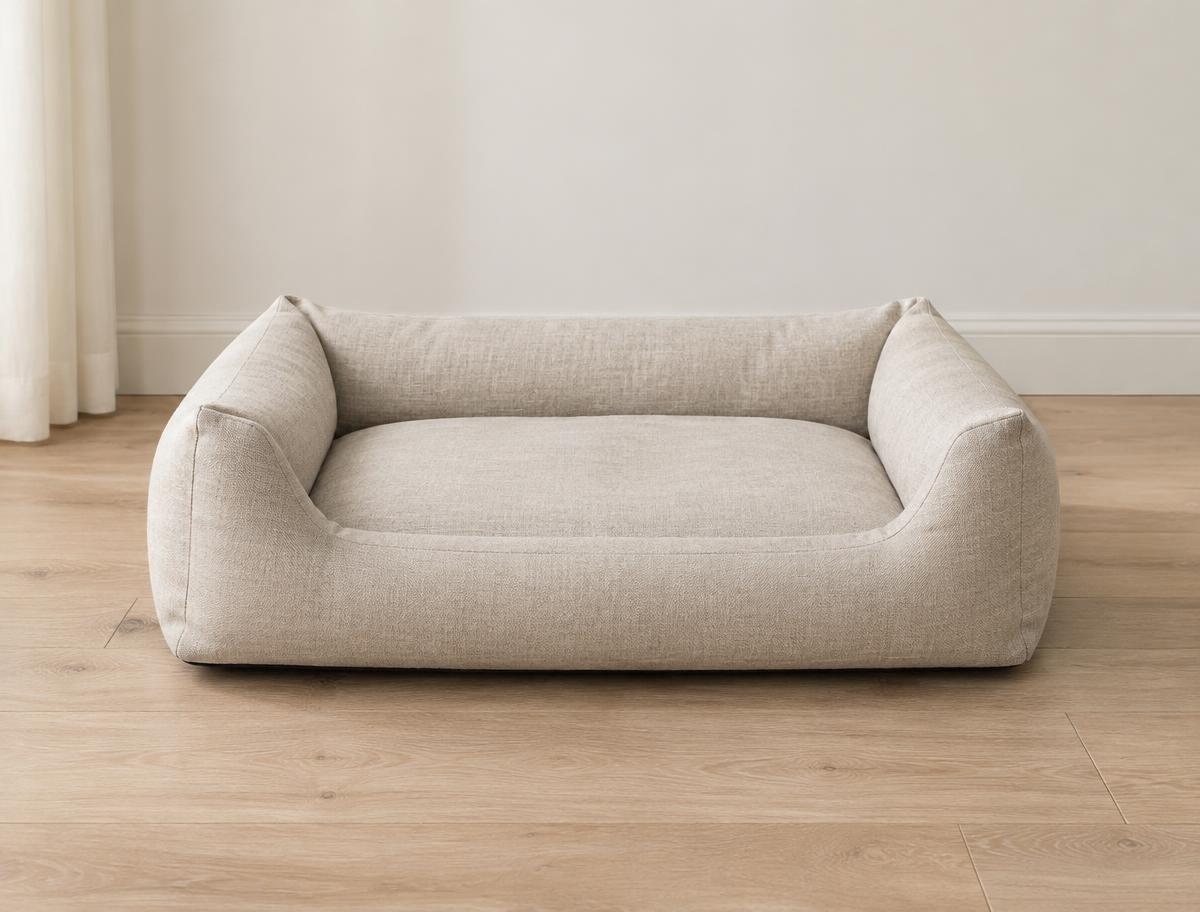
Linen Bolster Dog Bed
Supportive foam with a washable linen cover that suits calm interiors.
- Best for:
- Medium dogs who like to lean
- Consider:
- Cover dries slowly

Feeding
Mealtime Setup for Senior Small Dogs
A simple, comfortable feeding setup that works well for older small dogs with familiar daily routines.
- Best for:
- Senior small dogs
- Consider:
- Bowl height, easy cleaning, and your dog's comfort
Whiskers, Paws & Claws Editorial Team
Editorial Team
Related reading

Reviews
How to Choose the Right Dog Bed
Support, size, materials, and washability — finding a bed that suits your dog.
Whiskers, Paws & Claws Editorial Team
Reviews
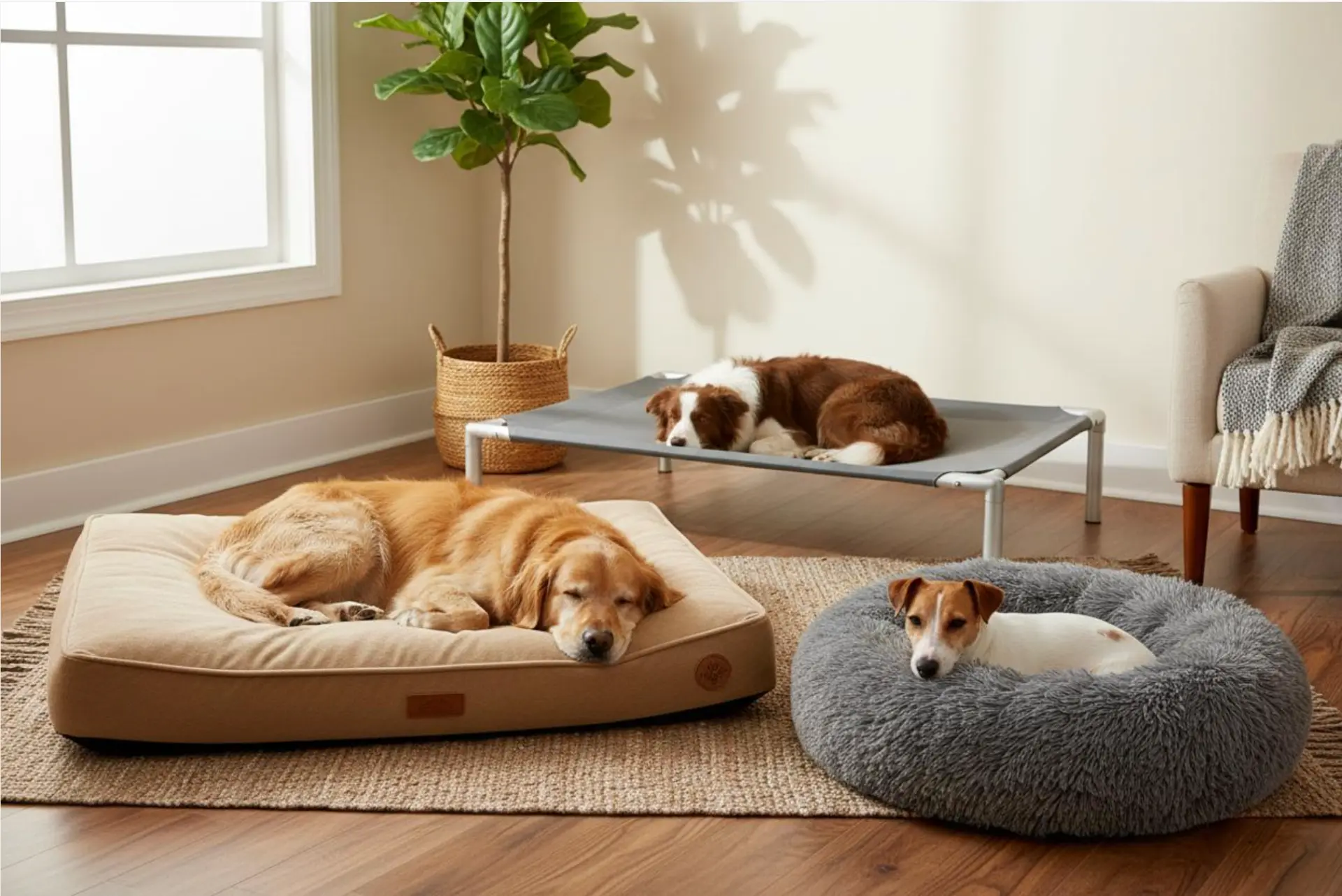
Elevated vs. Plush Dog Beds: Which Is Right for Your Pet?
Elevated or plush? Compare dog-bed comfort, support, cleaning, temperature, and accessibility to find the right resting spot for your companion.
Whiskers, Paws & Claws Editorial Team
Reviews
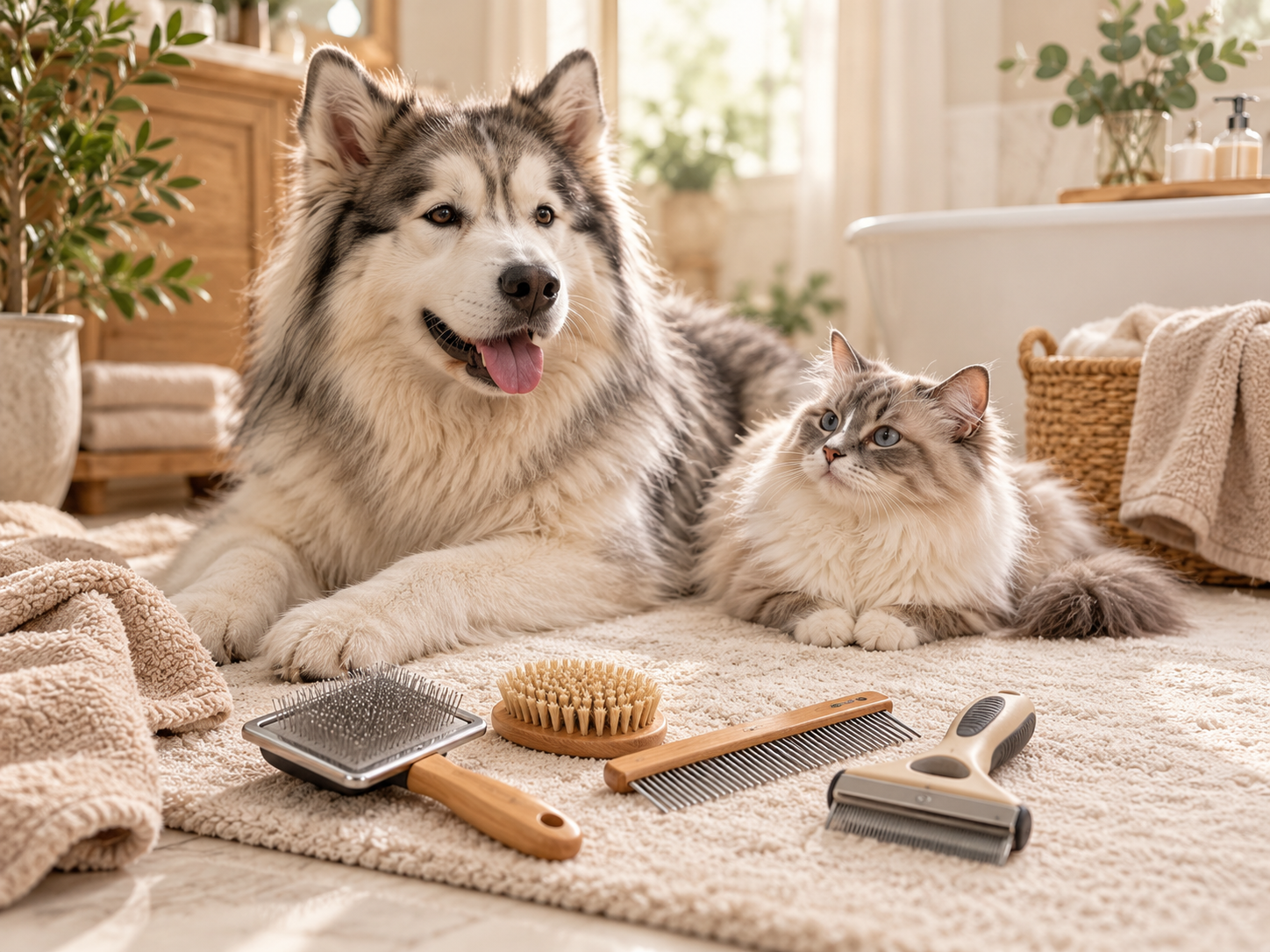
Choosing the Right Grooming Brush for Your Dog or Cat
From slicker brushes to grooming combs, discover which tools suit different dog and cat coat types and how to choose them thoughtfully.
Whiskers, Paws & Claws Editorial Team